A New Fuel Takes the Rails: India Inaugurates First LNG-Diesel Train in Sabarmati
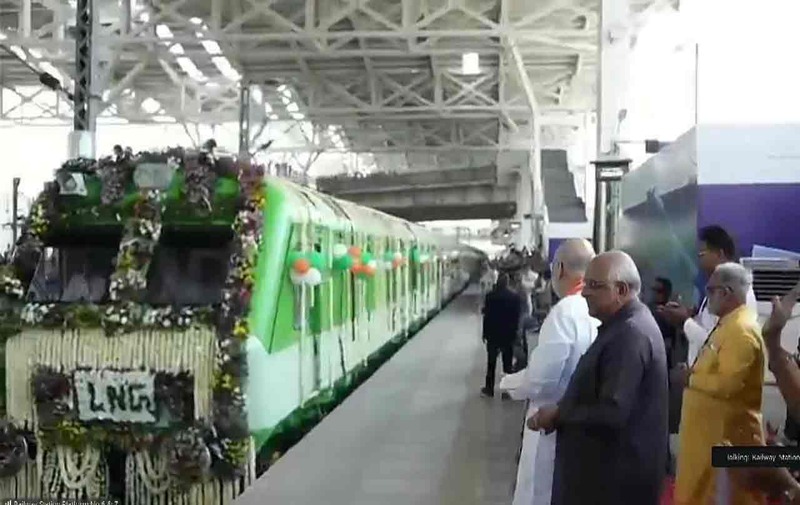
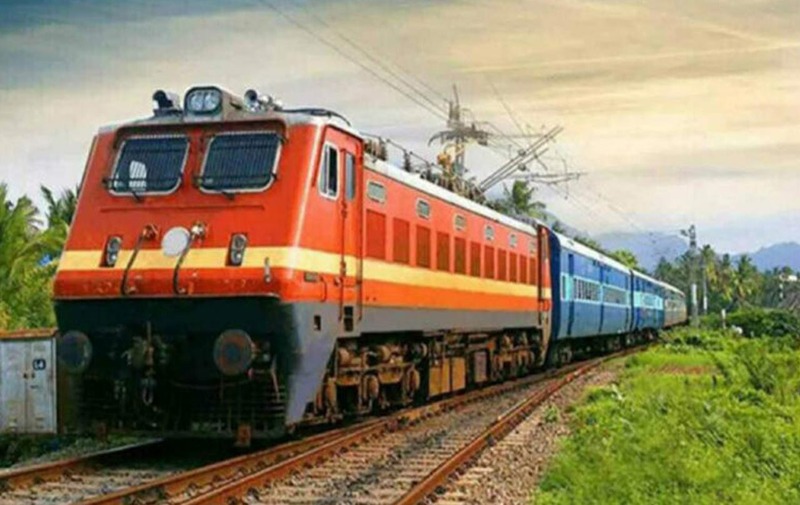
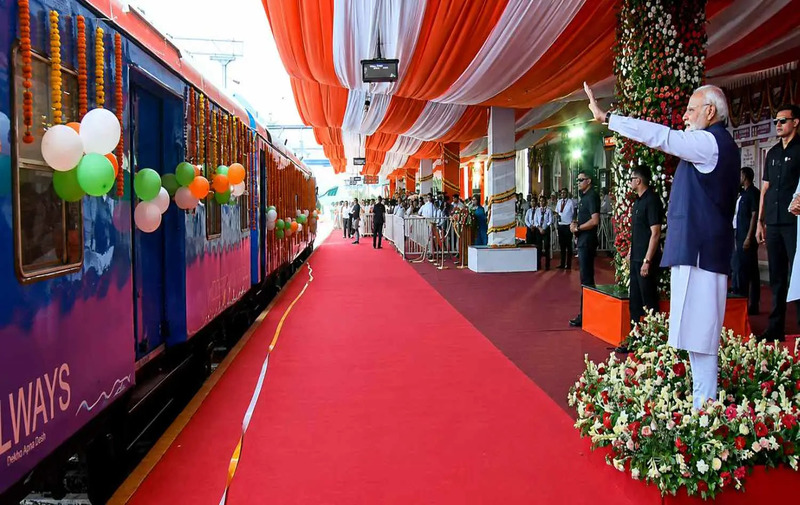
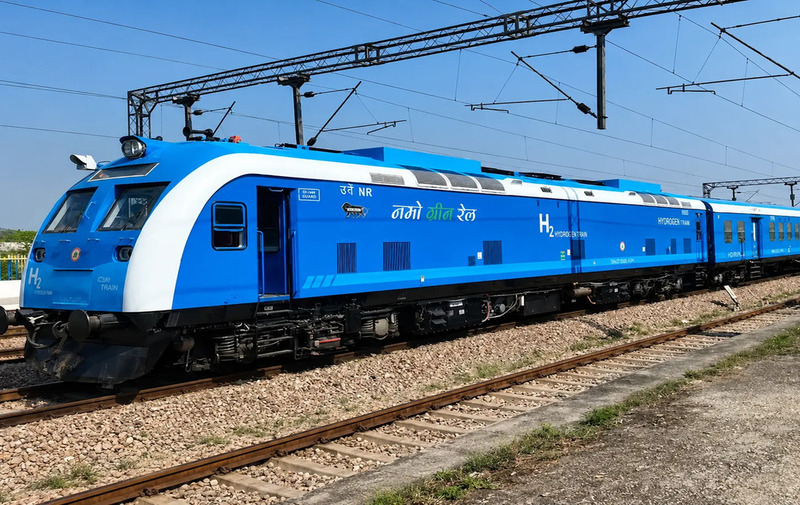
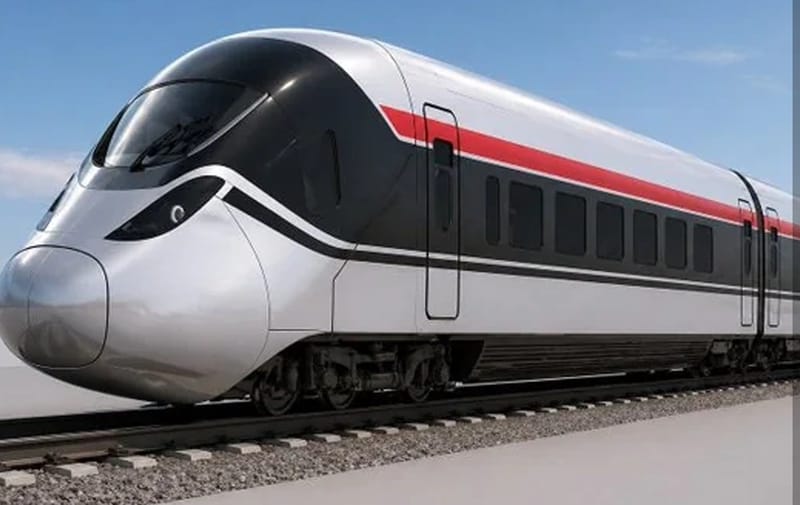
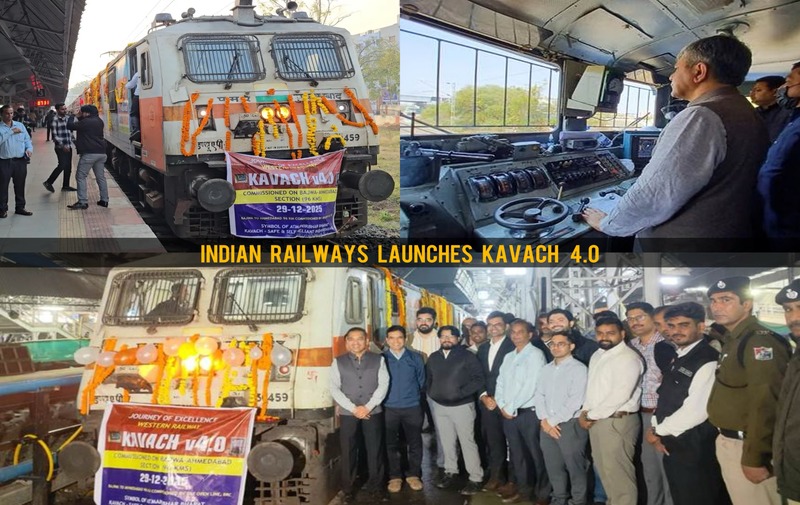
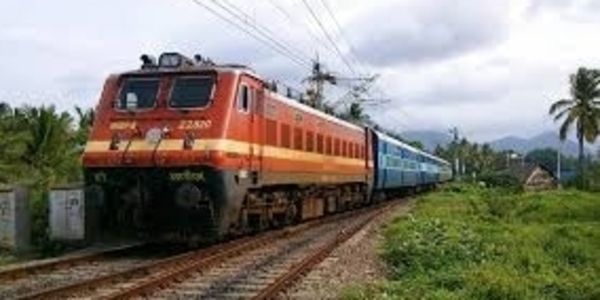
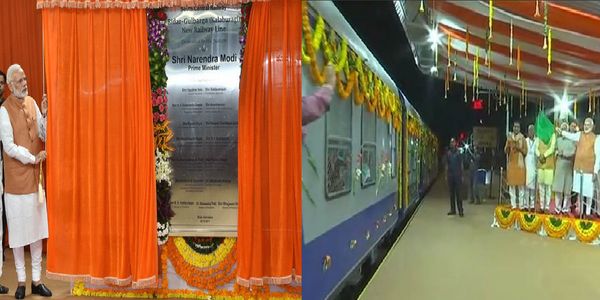
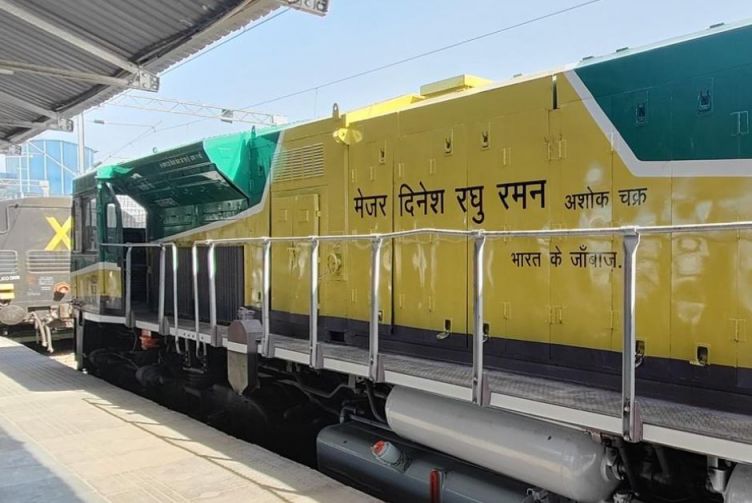
India’s railway network is already exploring several technologies to make train operations more efficient. Now, liquefied natural gas (LNG) has joined that list.On September 27, Indian Railways launched the country’s first LNG-diesel dual-fuel train from Sabarmati in Gujarat. The train is designed to use LNG alongside diesel, offering a way to reduce dependence on conventional diesel without completely replacing the existing engine system.The initiative comes soon after India introduced its first hydrogen-powered train, putting two very different alternative-fuel technologies in the spotlight.How Does the LNG Train Work?The new train does not run entirely on LNG. Its two 1,400-horsepower Driving Power Cars (DPCs) have been converted into dual-fuel engines. They can operate using both LNG and diesel, depending on fuel availability and operational requirements. Under the system, LNG is expected to replace around 40% of diesel consumption.Indian Railways estimates that the change could save approximately ₹11.9 lakh annually per DPC, based on trial data. For an eight-coach rake, the estimated annual fuel saving could be around ₹23.9 lakh. Beyond fuel costs, the initiative is also aimed at reducing emissions, including carbon dioxide and particulate matter.LNG and Hydrogen: Two Very Different PathsWhile both trains are part of India's wider exploration of alternative fuels, their technologies are fundamentally different.According to a report in Business Standard, the LNG train continues to use an internal-combustion engine. LNG is stored onboard in liquid form and supplied to a modified engine along with diesel. In simple terms, a portion of the diesel used by the locomotive is replaced with natural gas.The hydrogen train follows a completely different approach. Instead of burning fuel in an engine, hydrogen is supplied to fuel cells, where it reacts electrochemically with oxygen to generate electricity. That electricity, supported by onboard batteries, powers the train's traction system.So, LNG represents a fuel-switching approach within an existing propulsion system, while hydrogen involves a different method of generating power altogether.More Than Just a Fuel ExperimentThe LNG train was launched alongside several railway projects in Sabarmati. The package included initiatives focused on railway safety, signalling, capacity and freight operations.Among them was the foundation stone for indigenous Kavach automatic train protection across 404 km in the Ahmedabad division. An automatic block signalling system was also introduced across 122.57 km of railway sections.A ₹700-crore WAG-12 locomotive maintenance shed was inaugurated as well, while doubling of the 21-km Sabarmati-Sarkhej railway line is targeted for completion by March 2028.With LNG now joining hydrogen and other technologies being explored by Indian Railways, the country's massive railway network is experimenting with multiple pathways for a more fuel-efficient future.



.jpg)
.jpg)
.jpg)

















.jpeg)