India-UK Historic Free Trade Deal: A New Era for Global Partnership and Prosperity
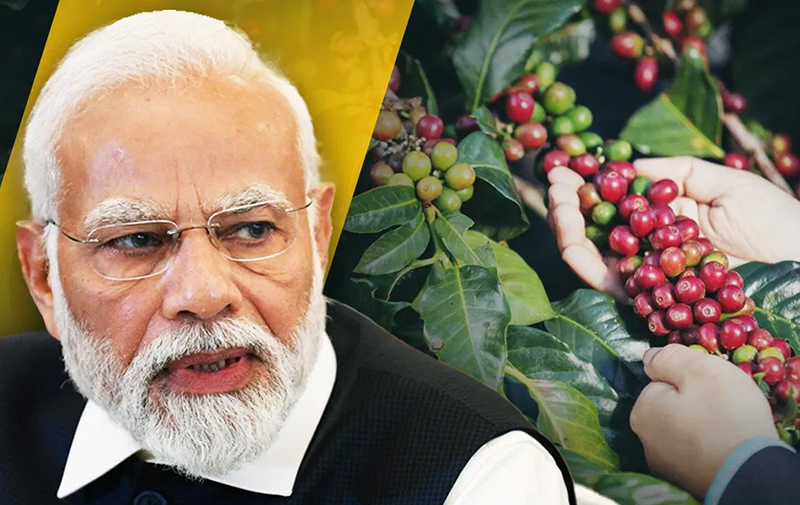
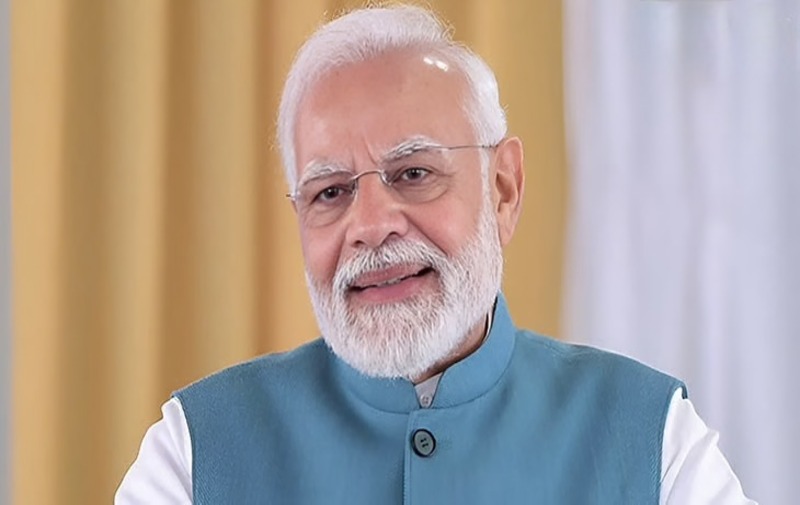
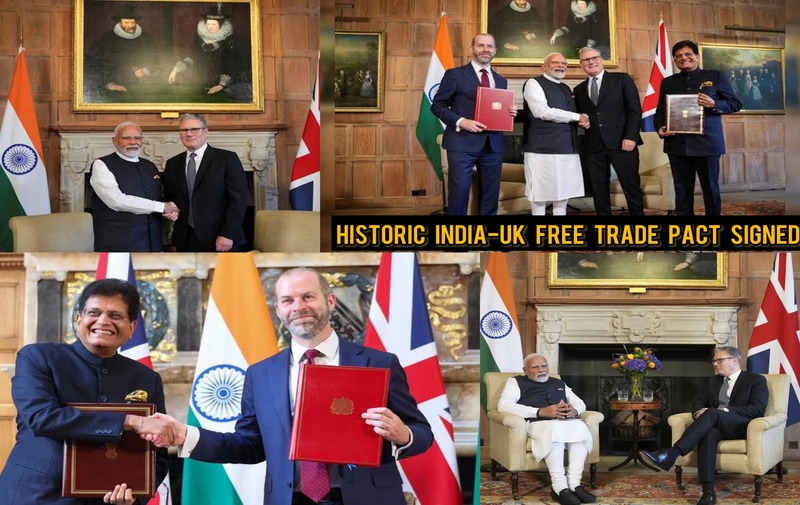
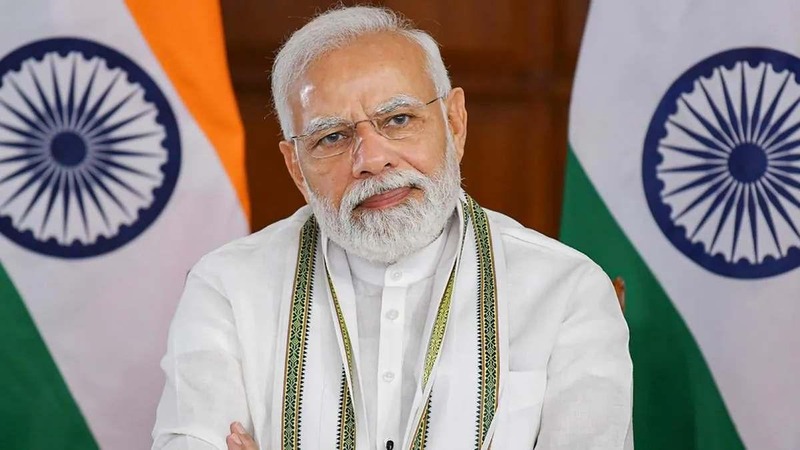
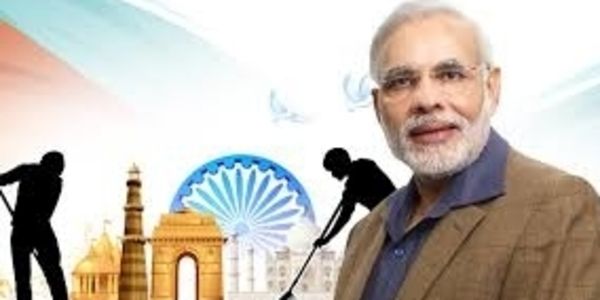
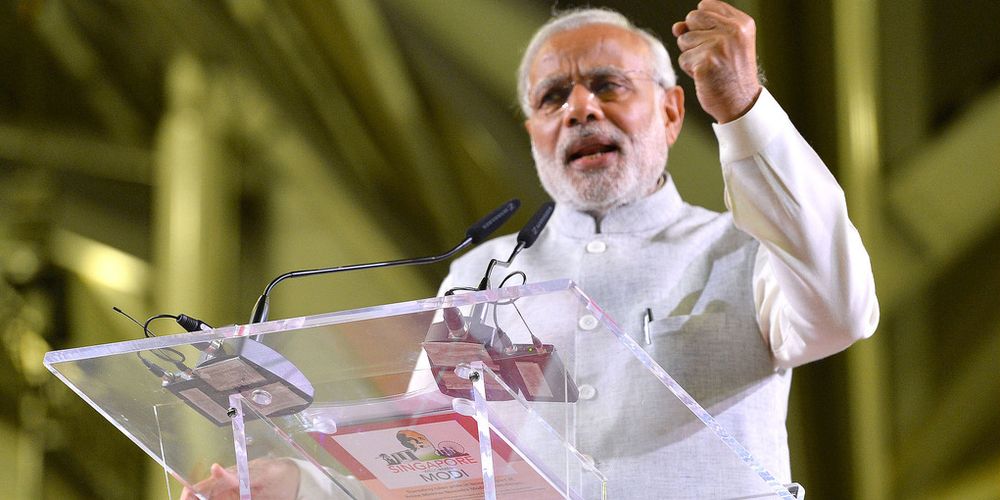
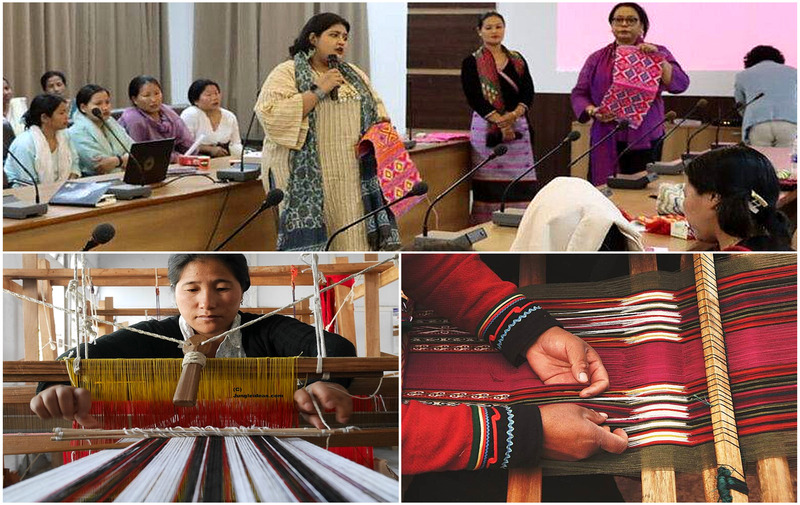
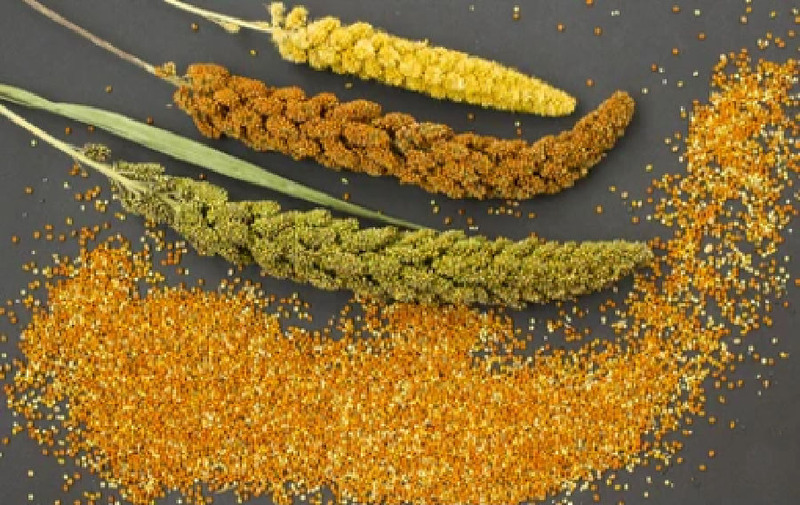
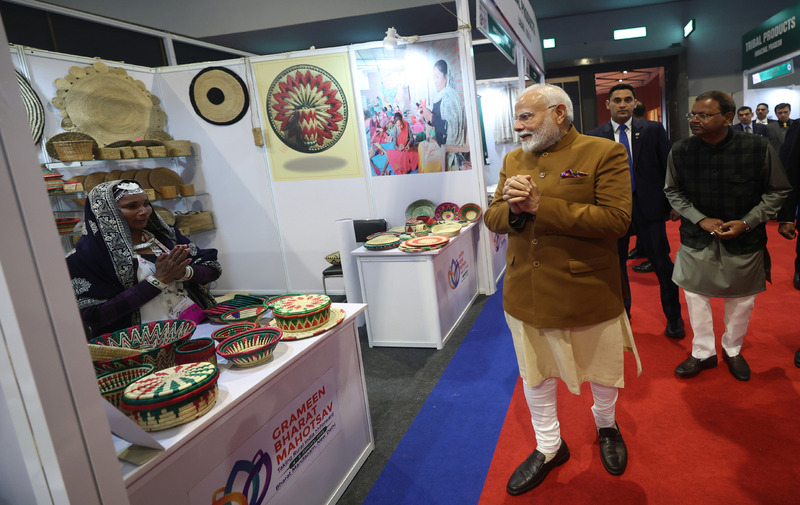
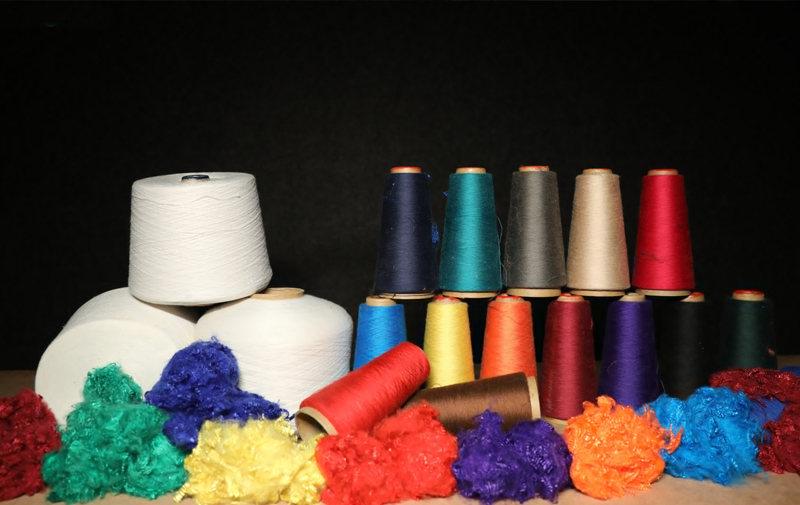
In a moment of historic significance, India and the United Kingdom have signed a landmark Free Trade Agreement (FTA) that promises to reshape economic ties between the two nations. The most exciting highlight? 99% of Indian goods will now enter the UK market without any customs duty. This breakthrough not only boosts India’s exports but also marks a major step towards mutual growth, job creation, and a stronger global presence. The deal comes at a time when the world is navigating trade disruptions and economic uncertainties. Yet, India and the UK have chosen to walk a path of cooperation, opportunity, and shared prosperity.A Win-Win for Both NationsIndian Prime Minister Narendra Modi described the agreement as more than just a trade deal. “This is a blueprint for our shared future,” he said, highlighting its potential to strengthen key sectors like textiles, jewellery, agriculture, engineering, and more. UK Prime Minister Keir Starmer echoed the sentiment, calling the deal “signed, sealed, and ready to be delivered,” with benefits that include lower prices for consumers, rising incomes, and a deeper economic bond between the two nations.99% Duty-Free: What It Means for IndiaThe new trade deal between India and the UK is a major step that gives 99% of Indian exports across thousands of product types zero-tariff access to the UK market. This means Indian products can now be sold in the UK without paying any import tax, making them cheaper and more competitive. For important sectors, this change is a big opportunity. For example, marine products like shrimp, tuna, and fishmeal will now go to the UK duty-free, creating a chance to earn $5.4 billion. Textiles and garments, which earlier had to pay up to 12% tax, will now enjoy zero tax on over 1,143 product categories, helping weavers and garment makers. Processed foods, which faced very high taxes up to 70%, will now enter the UK at 0% duty on 99.7% of tariff lines. Other sectors like chemicals, plastics, base metals, and rubber goods will also see big benefits as taxes are removed. This deal is not just about numbers; it brings real growth and better income to farmers, artisans, small businesses, and industries that are the backbone of India’s economy.Farmers and Villages: A Big Step ForwardIndia’s agriculture sector is among the biggest winners. Fruits, vegetables, spices (like turmeric and pepper), pulses, pickles, and mango pulp will now find new markets in the UK. The deal supports India’s target of $100 billion in agri-exports by 2030 and creates fresh demand for jackfruit, millets, and organic herbs. Most importantly, the FTA protects India’s sensitive sectors such as dairy, apples, and edible oils, showing that progress does not come at the cost of farmers’ livelihoods.Textile Workers, Artisans, and HandicraftsFor Indian textile workers, especially women-led units in Tamil Nadu, Gujarat, and Uttar Pradesh, the deal is a huge opportunity. It corrects the disadvantage India faced compared to countries like Bangladesh and Cambodia, which already enjoyed duty-free status. With easier access, Indian carpets, home furnishings, sarees, and handicrafts will now gain visibility in the UK’s $27 billion textile market. Experts expect India’s market share in UK textiles to rise by at least 5% within two years. The FTA slashes up to 18% of tariffs on engineering goods, helping India’s exports potentially double to $7.5 billion by 2030. India’s pharma industry, known globally for affordable generics, gains major ground. Tariffs on generic drugs and medical devices are removed, making Indian products even more competitive in the UK, which imports over $30 billion worth of pharmaceuticals annually.Gems, Jewellery, Toys, and Leather: Shining BrightThe FTA opens wide the gates to the UK’s $3 billion jewellery market, with Indian exports expected to double in 2–3 years. Toys, sports goods, and leather products, including soccer balls, cricket gear, and stylish footwear, will now compete more fairly with Chinese and Vietnamese products. MSME hubs in Agra, Kanpur, Kolhapur, and Chennai are set to benefit from tariff removal and higher demand. The FTA isn’t just about goods; it’s also about people. It exempts 75,000 Indian professionals from UK social security contributions for three years, a big relief for temporary workers. Indian firms can now operate in 36 UK service sectors without economic needs tests, and professionals can work in 35 sectors for up to two years even without a local office. Every year, the UK will welcome over 1,800 Indian chefs, yoga experts, and musicians, making this deal a bridge for cultural and human exchange as well.A Future of Friendship and ProsperityThe India-UK trade agreement reflects more than economics; it reflects trust, respect, and the power of partnership. While the deal eliminates tariffs on almost all exports from both sides, a few sensitive items remain protected, ensuring balanced growth. For India, this is a step towards becoming a global manufacturing and export hub. For the UK, it opens access to the world’s fastest-growing economy and its young, skilled workforce. Mr. Modi also met King Charles III and gifted him a tree sapling as part of his “Ek Ped Maa Ke Naam” campaign. As India’s goods cross oceans duty-free and British innovations enter India more affordably, millions of lives on both sides will benefit. It’s not just about trade. It’s about trust, transformation, and a shared vision of prosperity.Prime Minister Narendra Modi is heading to the Maldives after completing his visit to the United Kingdom. He will be in the Maldives from July 25 to 26, 2025, on the invitation of President Mohamed Muizzu. During this two-day state visit, PM Modi will take part in the country’s 60th Independence Day celebrations on July 26, where he will be the Guest of Honour. This special occasion also marks 60 years of formal diplomatic relations between India and the Maldives, highlighting the strong and growing ties between the two nations.








.jpeg)

























.jpg)
.jpg)
.jpg)












 (1).jpeg)
.jpg)