"Dream, Dream, Dream! Conduct these dreams into thoughts, and then transform them into action."
- Dr. A. P. J. Abdul Kalam
"Dream, Dream, Dream! Conduct these dreams into thoughts, and then transform them into action."
- Dr. A. P. J. Abdul Kalam
21 Feb 2026
In a historic leap for Indian infrastructure, the Union Cabinet has approved a Rs 18,662-crore greenfield project to build a four-lane access-controlled corridor between Gohpur and Numaligarh in Assam. The crown jewel of this initiative is India’s first underwater road-and-rail tunnel under the Brahmaputra River, making it only the second such tunnel in the world. This project is set to redefine connectivity in the Northeast, linking Assam, Arunachal Pradesh, Nagaland, and neighboring states, while strengthening both economic and strategic dimensions of the region. Currently, the journey between Numaligarh on National Highway 715 and Gohpur on NH-15 covers 240 km via Kaliabhambhora near Silghat on NH-52, taking approximately six hours. This route winds past Numaligarh, Kaziranga National Park, and Biswanath town, creating both logistical challenges and longer travel times. The new underwater tunnel, coupled with the four-lane corridor, promises to drastically reduce travel time, enhance safety, and provide year-round connectivity, overcoming the constraints of riverine geography and monsoon disruptions.
The project is not merely a feat of engineering; it carries deep strategic significance. The Northeast shares sensitive international borders, and improved connectivity strengthens security and rapid troop movement capabilities. Minister of Road Transport and Highways Nitin Gadkari emphasized that the project addresses critical connectivity and security requirements while simultaneously accelerating economic growth. By linking the capitals of Assam and Arunachal Pradesh, the corridor ensures faster, safer, and more efficient movement of goods, people, and resources. For locals living along the Brahmaputra, this development is transformational. Communities that once relied on ferries or circuitous routes will now have consistent and rapid access to markets, hospitals, and educational institutions. The human dimension of infrastructure—reducing isolation, improving livelihoods, and connecting families—is as important as the engineering marvel itself.
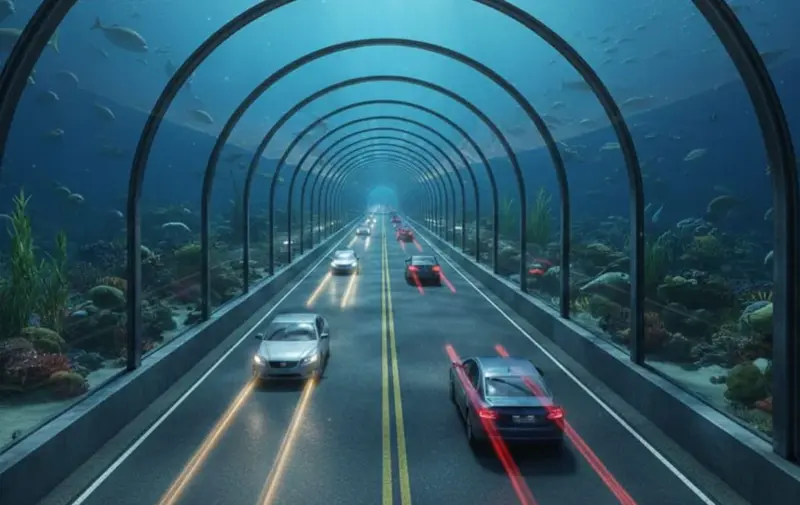
At the heart of this corridor lies India’s first twin-tunnel project for road and rail traffic beneath the Brahmaputra, built using cutting-edge tunnel boring machine (TBM) technology. This represents not only a milestone for India but also places the nation on the global map of pioneering tunnel engineering. The underwater tunnel will ensure uninterrupted movement across the mighty river, overcoming seasonal flooding challenges that have historically hampered logistics and transportation. The corridor will be developed under an engineering-procurement-construction (EPC) model, guaranteeing a seamless execution framework. By combining a high-speed road network with a parallel rail line, the tunnel will integrate multiple modes of transportation, enhancing freight efficiency and supporting the growing industrial and commercial needs of the region.
The corridor is expected to be a major catalyst for regional economic development. By connecting 11 economic nodes, three social nodes, two tourist nodes, and eight logistics nodes, the project promises to integrate remote areas with major railway stations, airports, and inland waterways. This integrated network will reduce logistics costs, enable faster movement of goods, and attract new industrial investments to the region. Small businesses in Assam and Arunachal Pradesh are likely to benefit significantly. Farmers and producers will gain access to larger markets, artisans can reach national and international buyers more easily, and local entrepreneurs will see new opportunities emerge along the corridor. The project represents a practical bridge between rural communities and urban economic centers, creating a lifeline for socio-economic development.
Assam, Arunachal Pradesh, and Nagaland are treasure troves of natural beauty and cultural heritage. The new corridor, especially the underwater tunnel, is expected to boost tourism by offering safer, faster, and more scenic travel options. Tourists will find it easier to visit Kaziranga National Park, the scenic Brahmaputra banks, and the cultural hubs of the Northeast. Improved infrastructure will also encourage eco-tourism and sustainable travel, enhancing local income while preserving the region’s unique biodiversity.
India’s First Underwater Road-Rail Tunnel Under Brahmaputra is expected to be ready by 2031. Once completed, the Gohpur-Numaligarh corridor and the underwater tunnel will stand as a symbol of India’s ambition, engineering prowess, and commitment to equitable development. The project reflects the government’s dual focus on modern infrastructure and human well-being, blending technological innovation with social impact. As vehicles glide across the four-lane highway and trains traverse the twin tunnel beneath the Brahmaputra, the Northeast will emerge more connected, resilient, and prosperous.

Romanticizing life and shaping stories from everything I see through my journalistic lens. Also, I love sports on the side.