Captain Smit Machchhar to Receive Israel’s Top Honour for Civilian Heroism
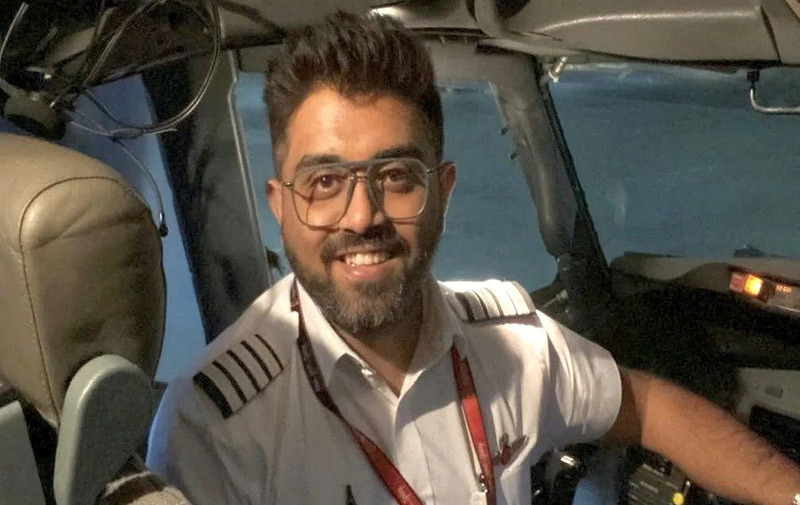
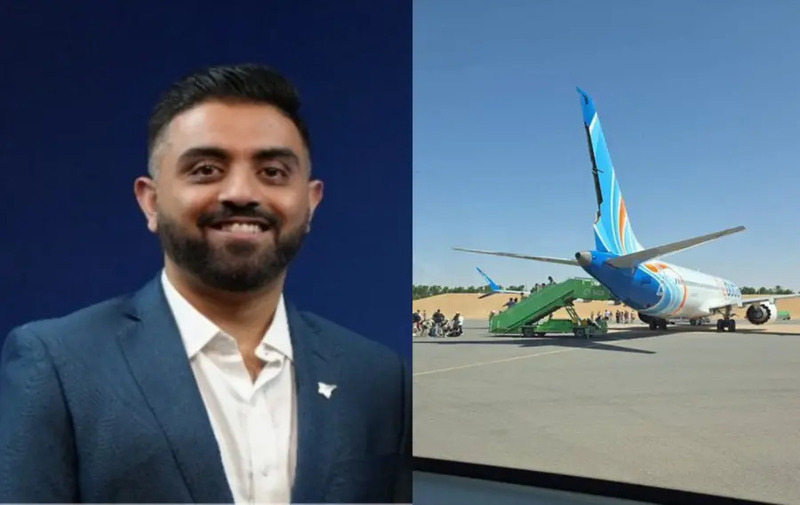
When an aircraft encounters an emergency thousands of feet above the ground, every second matters. For Indian pilot Captain Smit Machchhar, a routine flight from Dubai to Tel Aviv turned into a fight for survival on September 30, 2026. His courage during the terrifying ordeal helped avert a potential aviation disaster and protect the lives of 172 passengers and crew members.Israel has now announced that Machchhar will receive its prestigious Presidential Award for Civilian Heroism, recognising his extraordinary bravery and professionalism.Israeli President Isaac Herzog announced the honour on October 8 while presenting awards to six passengers who helped subdue the alleged attacker and prevent further danger aboard Flydubai Flight FZ1073.How the Mid-Air Emergency UnfoldedAccording to reports, Machchhar was allegedly stabbed by his co-pilot, Omani national Hamam al-Hammami, in an apparent attempt to seize control of the aircraft. Investigators reportedly examined suspicions that the attacker intended to crash the plane in Tel Aviv.Despite his injuries, Machchhar managed to open the cockpit door that allowed passengers and crew members to overpower the alleged attacker. Meanwhile, a second pair of Flydubai pilots aboard the aircraft took control of the jet. The plane subsequently landed safely in Tabuk, Saudi Arabia.The incident could have ended in tragedy. Instead, the combined efforts of the injured captain, fellow crew members and courageous passengers helped prevent a potential catastrophe.Israel Praises His Extraordinary BraveryAnnouncing the honour, President Herzog praised Machchhar’s courage and professionalism, saying his actions helped avert disaster. He also expressed his wishes for the Indian pilot’s full and speedy recovery.Herzog said it would be an honour to present Machchhar with the award on behalf of the people of Israel once he had regained his strength.The award, established by Herzog following the October 7, 2023, attacks, recognises civilians who demonstrate exceptional courage while risking their own lives to save others. It is Israel’s highest civilian honour for heroism.According to media reports, six passengers—Tali Manes, Zvika Manes, Yaniv Hayoun, Shota Musayev, Asaf Rajuan and Or Pardilov—received the award for their role in containing the threat aboard the flight.A Story of Courage Beyond BordersMachchhar is reportedly recovering at a hospital in the United Arab Emirates. His bravery has drawn praise from Indian Prime Minister Narendra Modi and Israeli Prime Minister Benjamin Netanyahu. President Herzog also highlighted the importance of international solidarity, pointing to how people from different backgrounds worked together to protect human life.For Machchhar, the flight became far more than a professional assignment. Faced with extraordinary danger, he demonstrated the courage and commitment that define the very best of aviation professionals.His upcoming honour celebrates not just one pilot’s bravery, but the collective human instinct to protect others when lives are at stake.



.jpg)
























.jpg)
.jpg)
.jpg)
.jpg)
.jpg)
.jpg)







.jpg)









.jpg)
 (1).jpeg)