National Space Day 2025: Bridging the Past and Future of India’s Space Journey
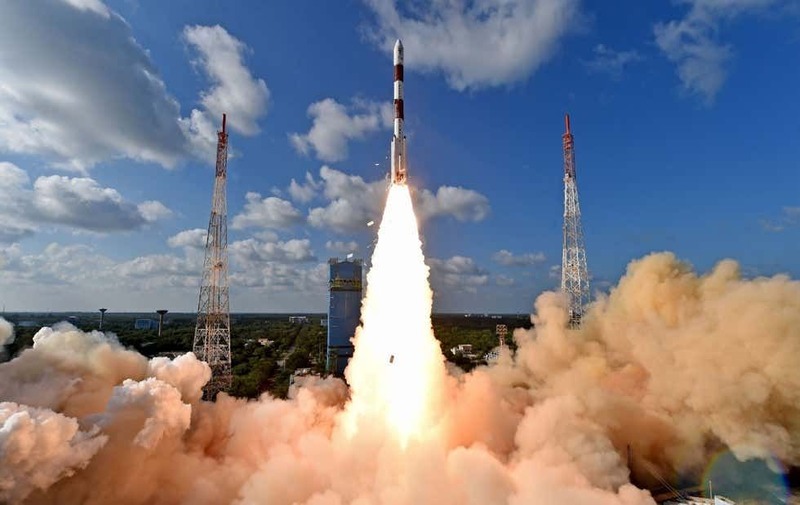
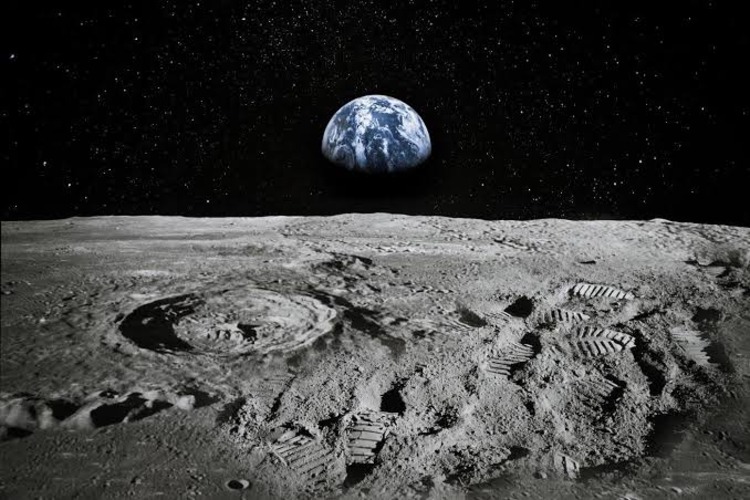
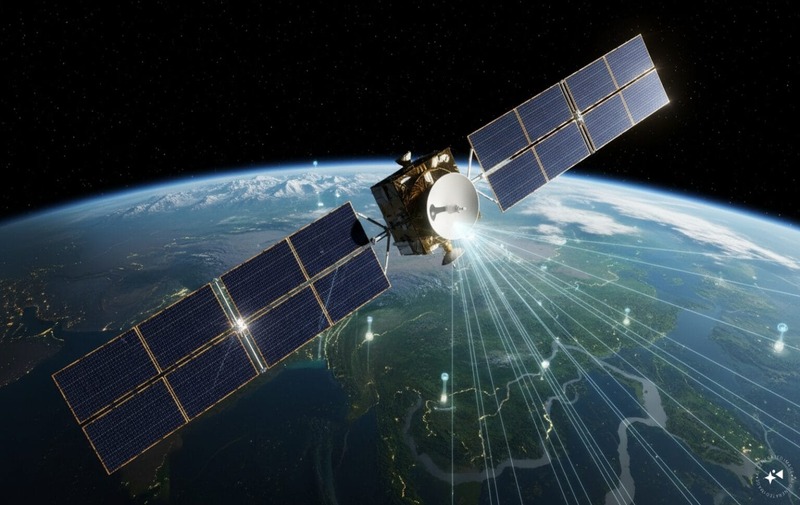
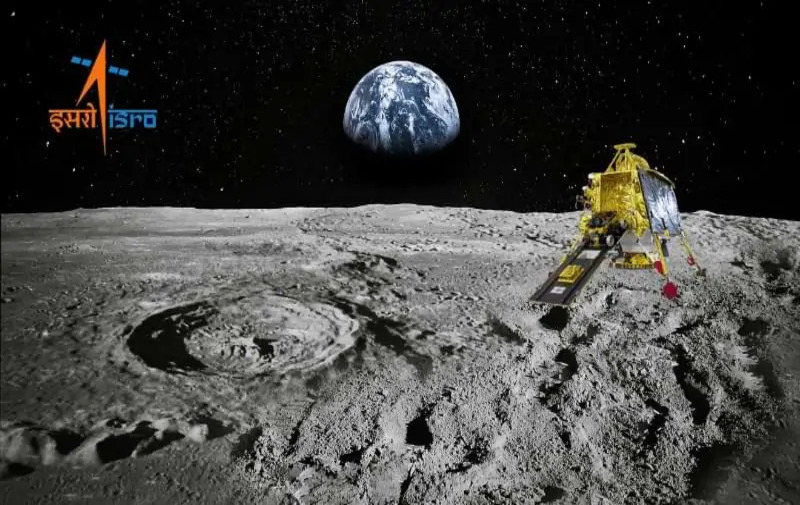
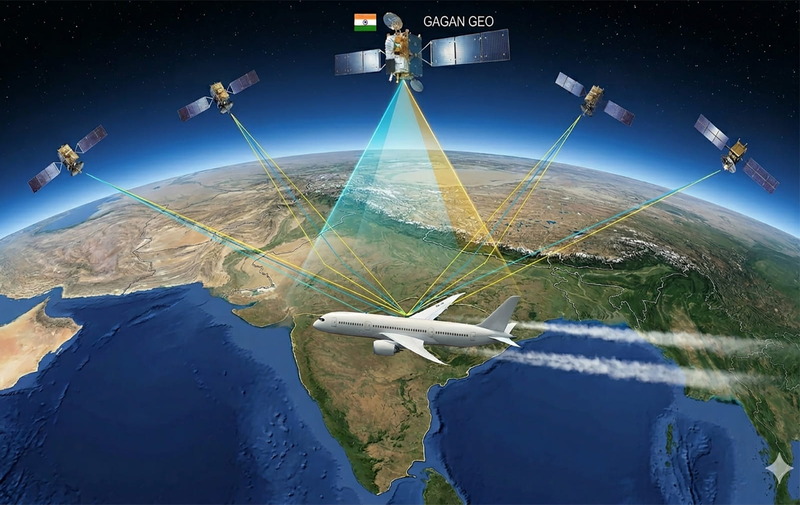
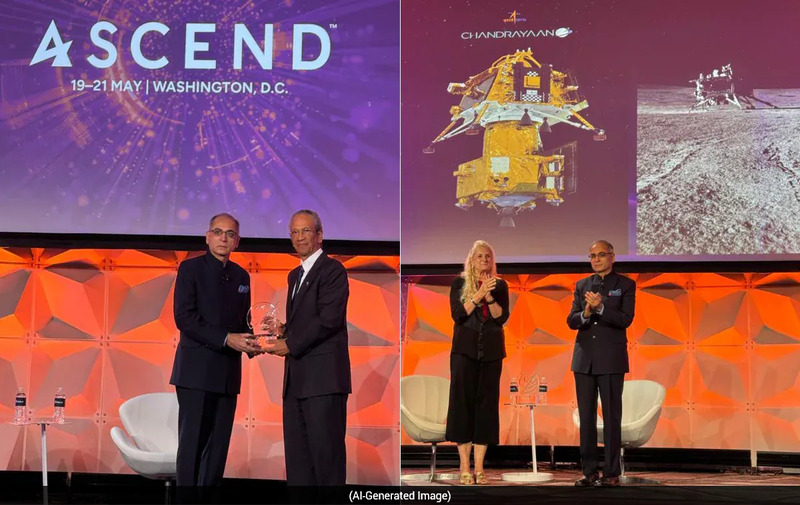
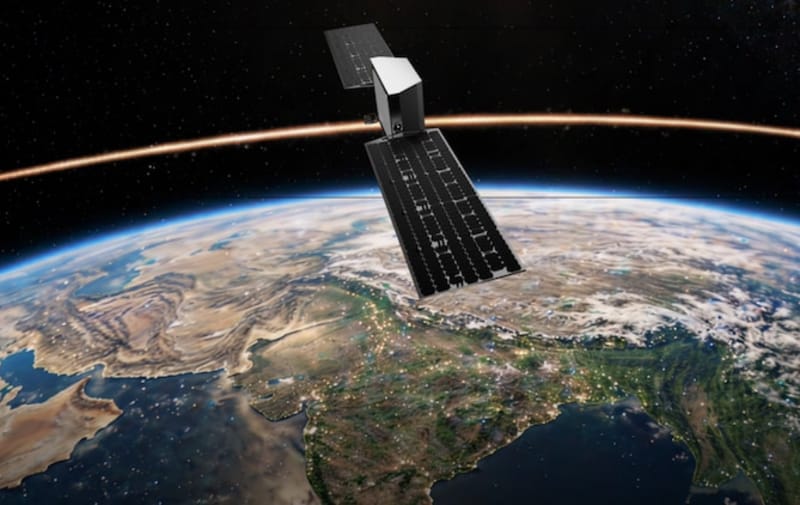
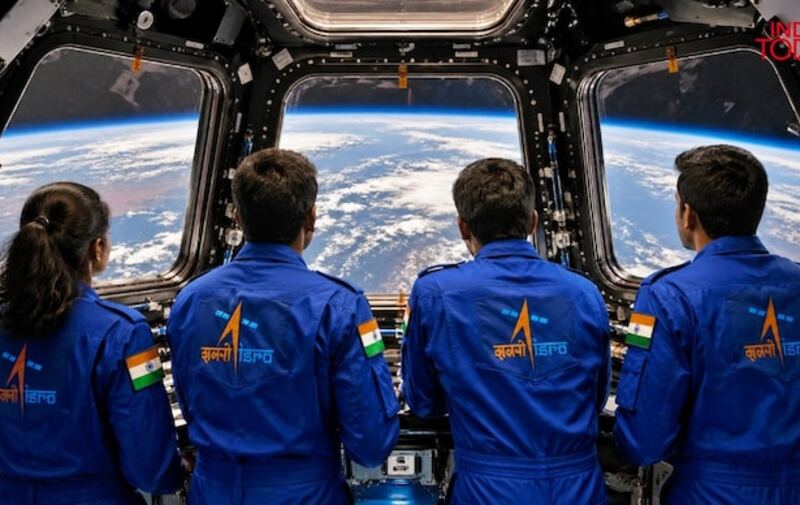
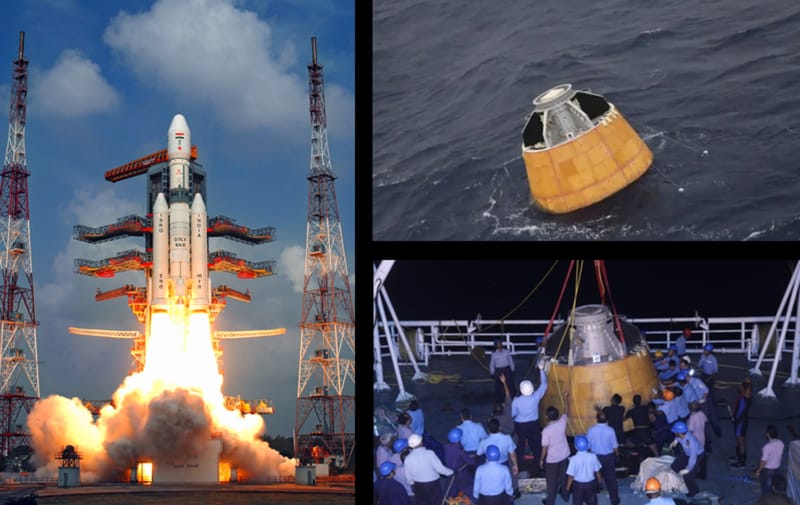
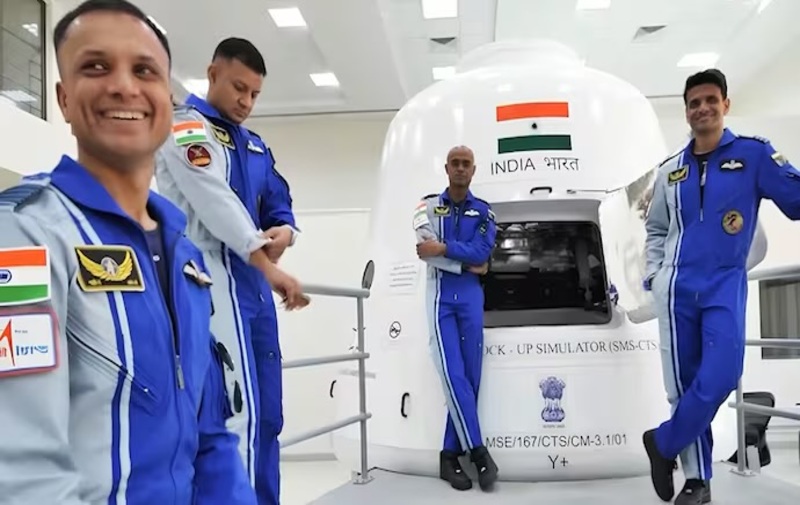
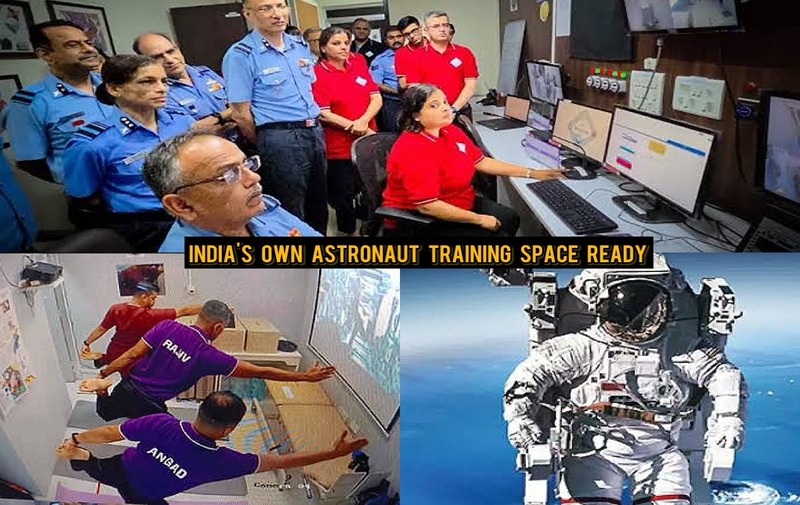
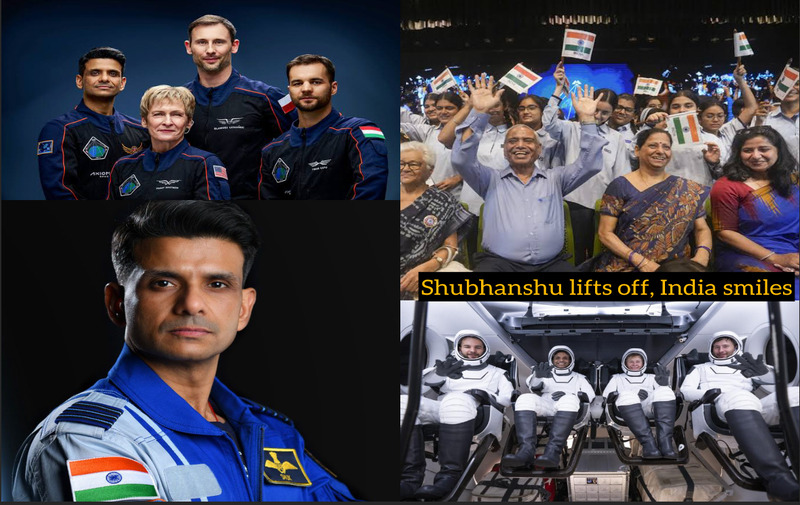
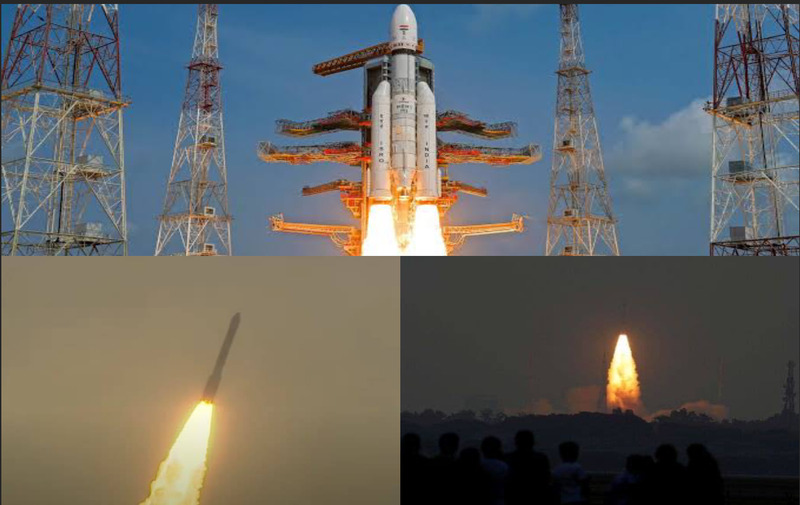
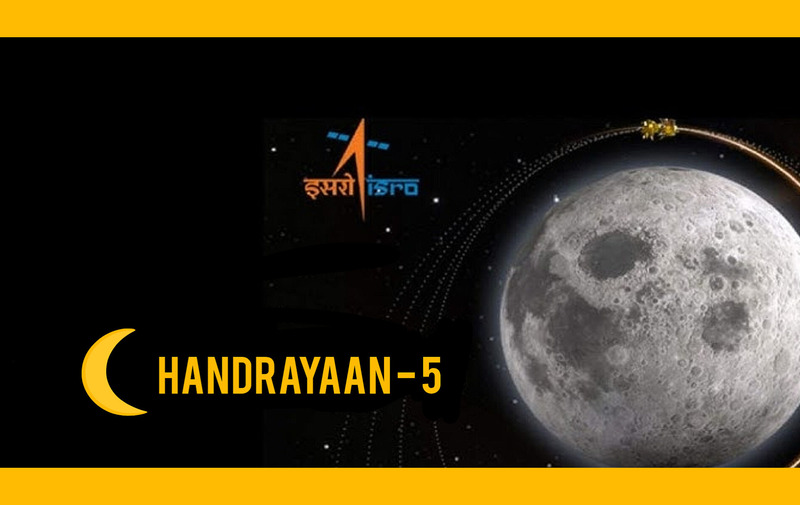
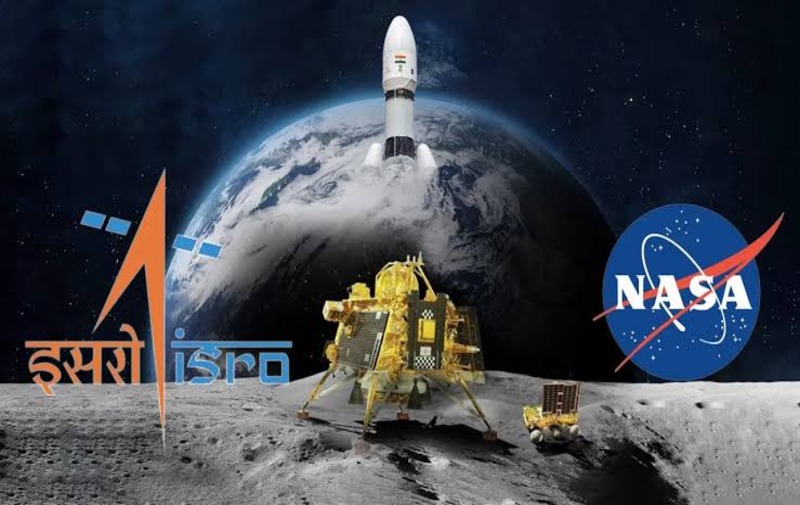
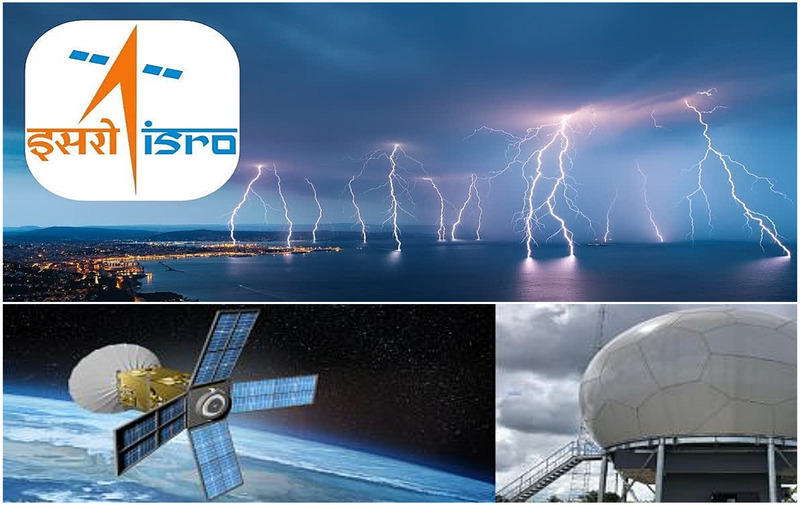
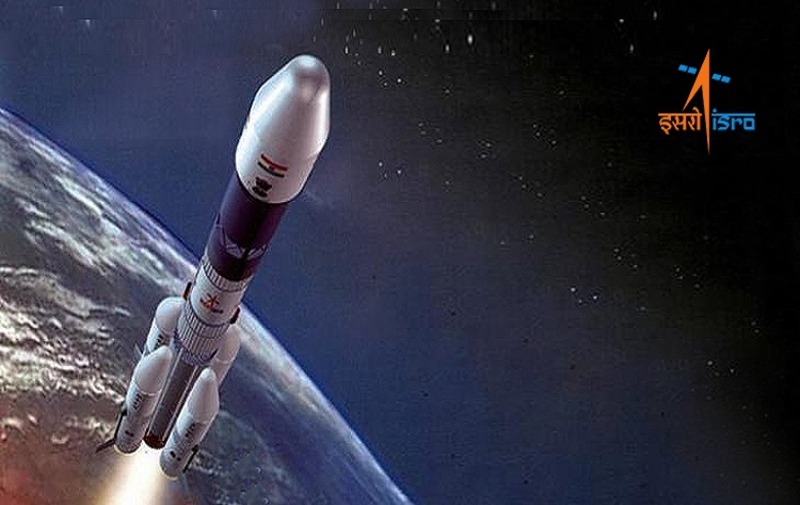
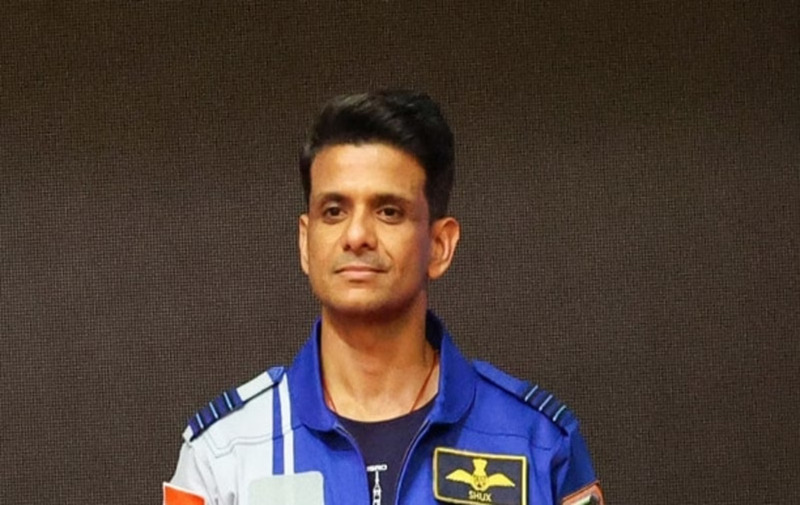
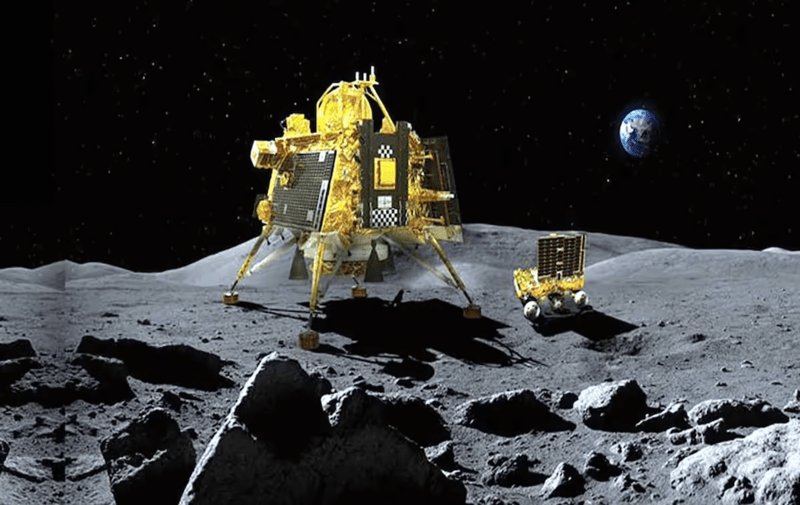
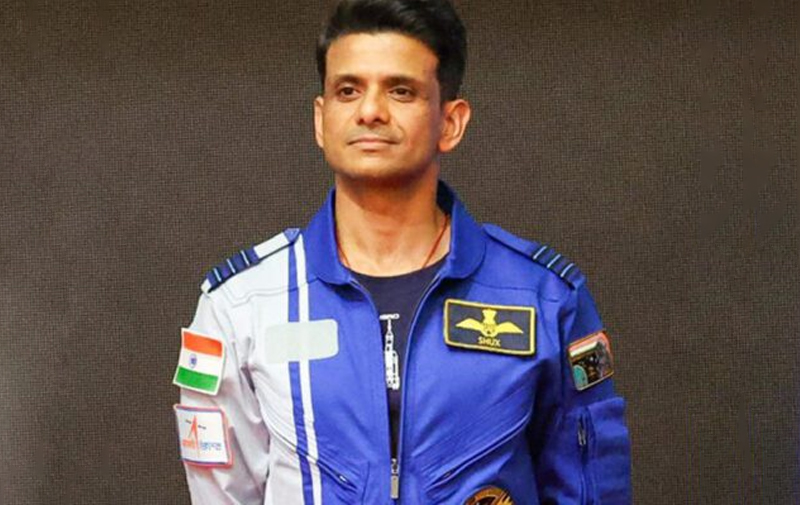
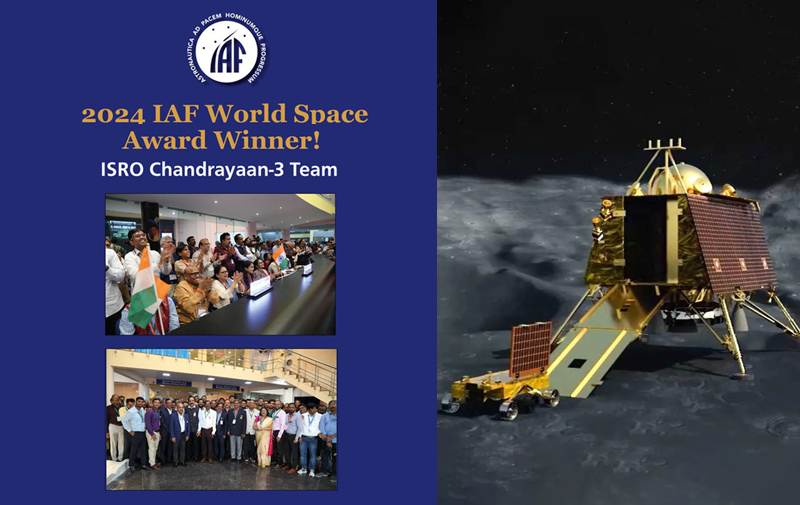
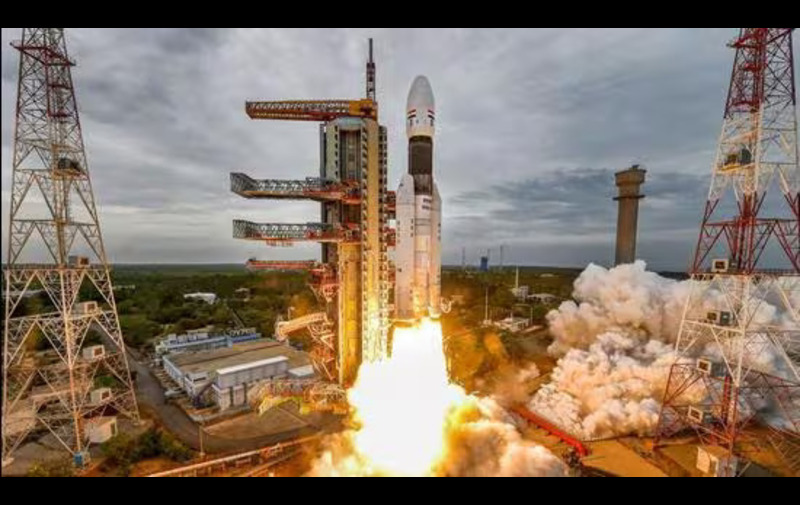
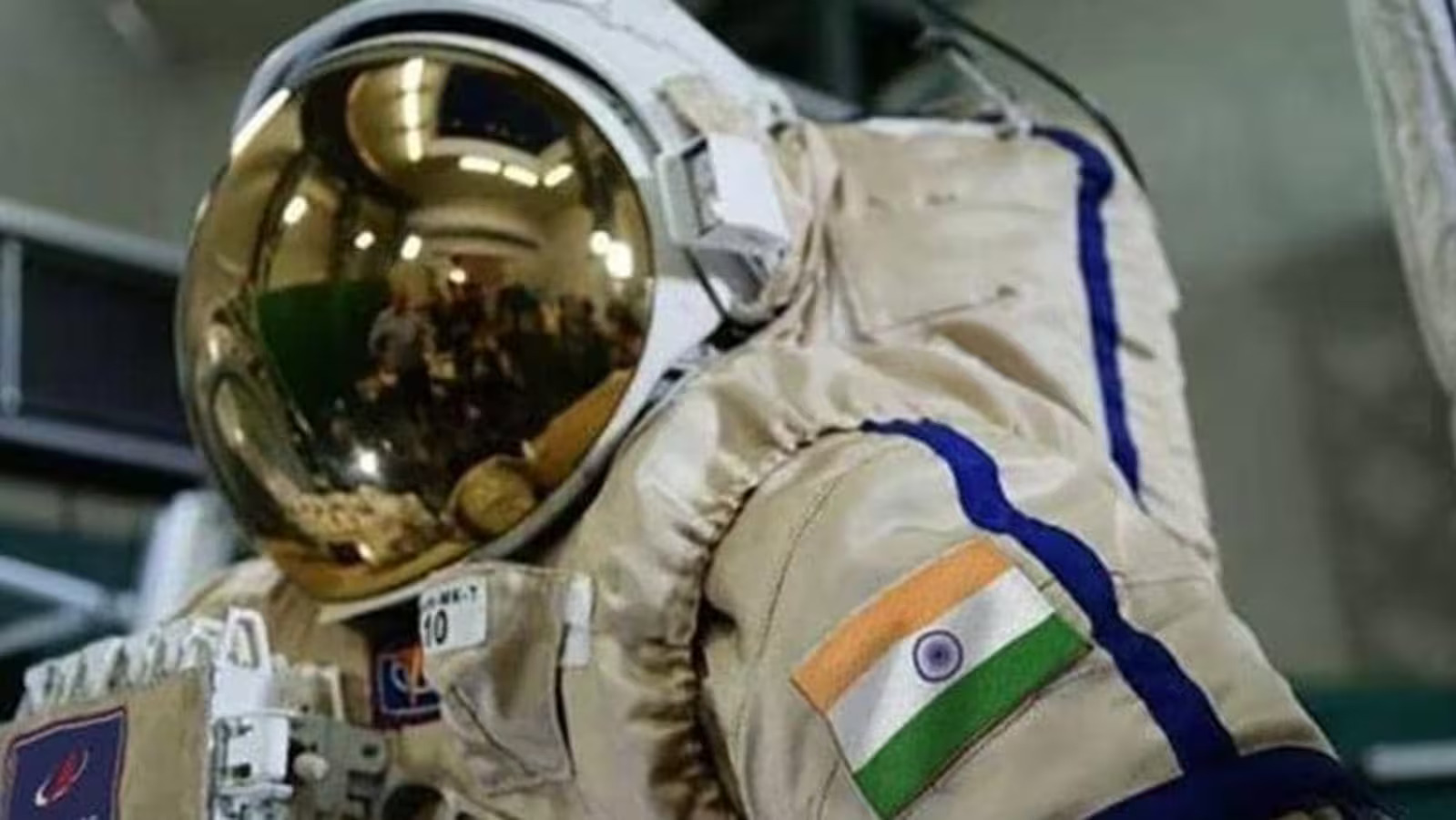
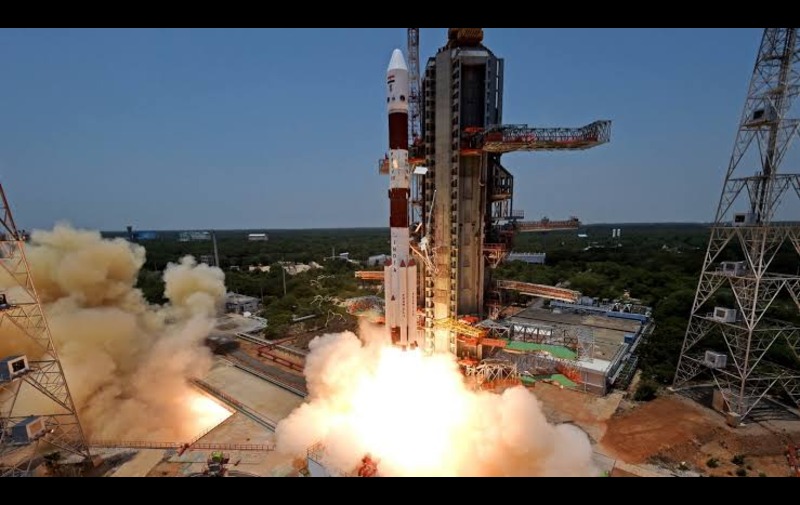
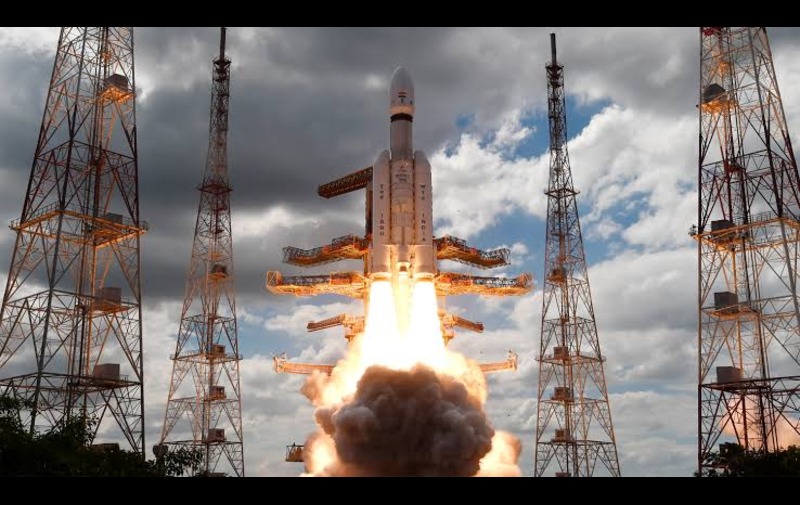
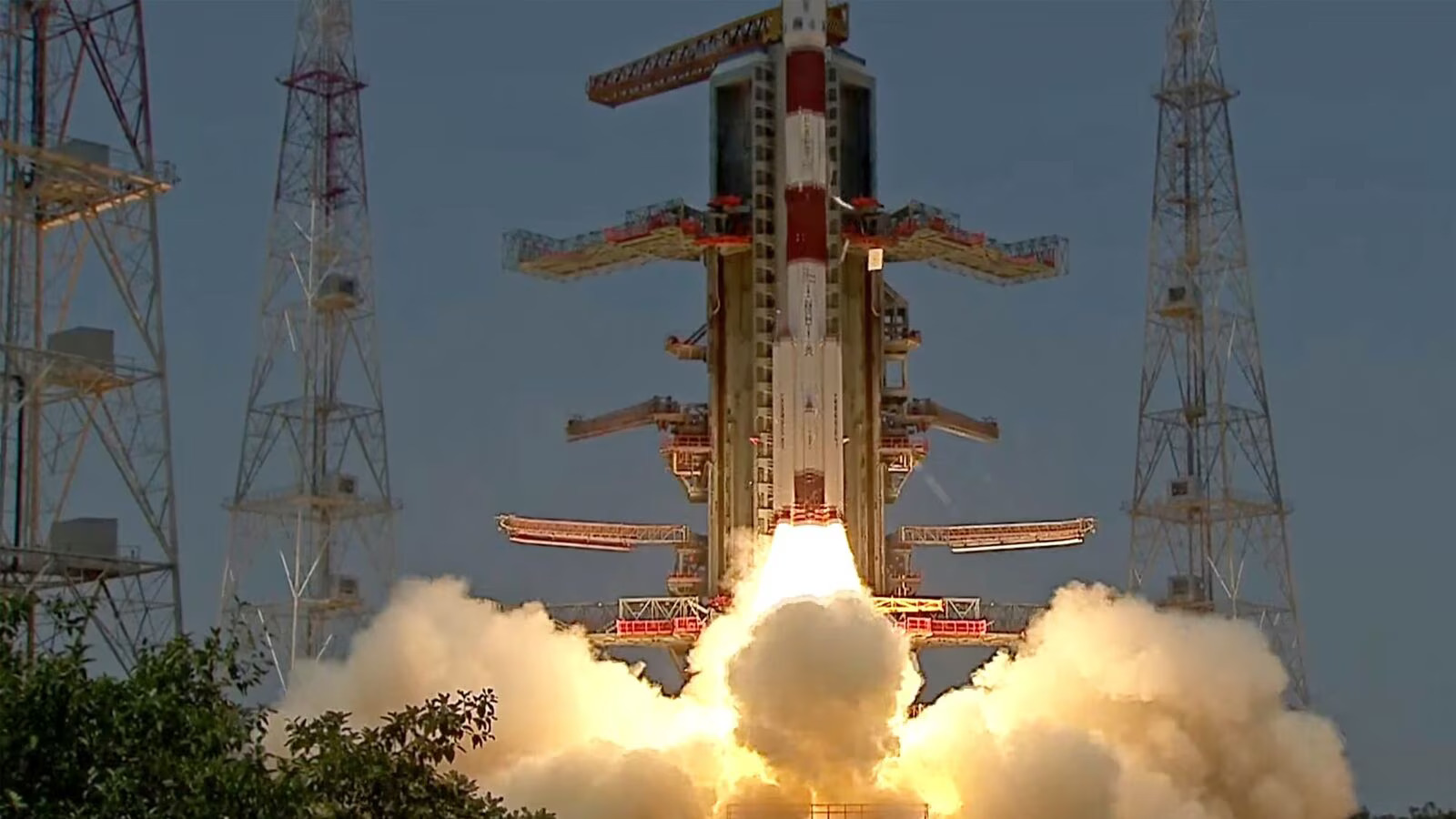
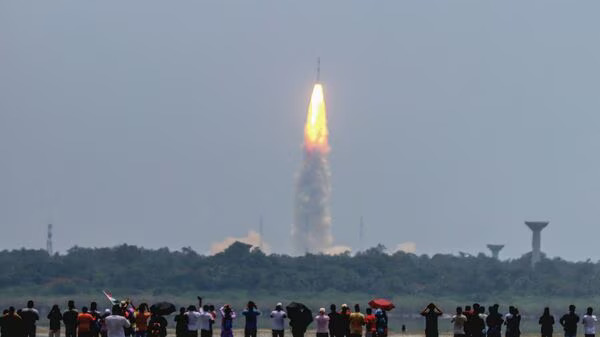
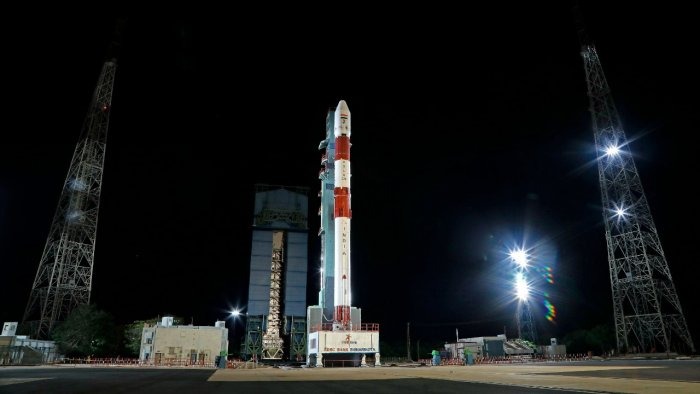
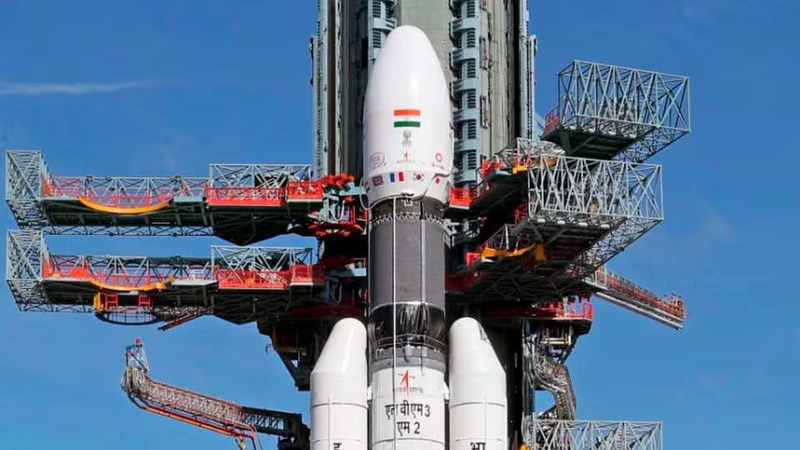
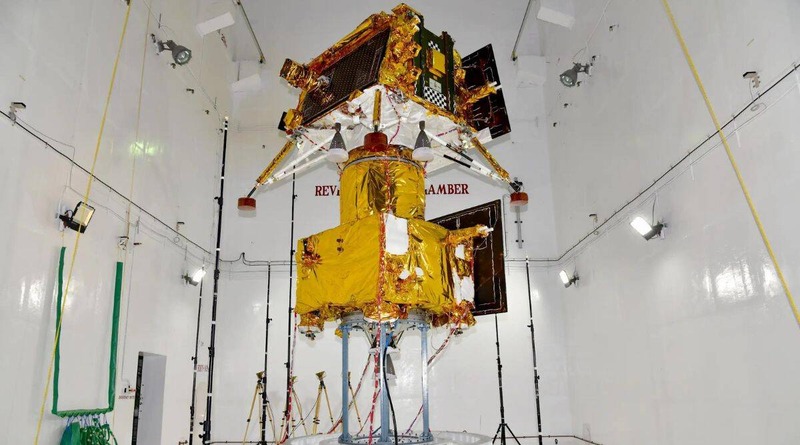
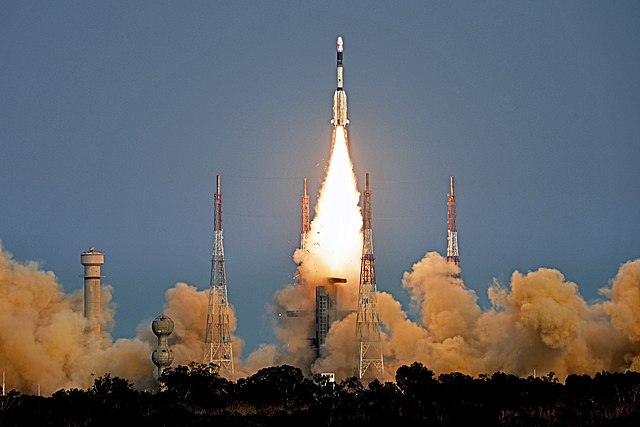
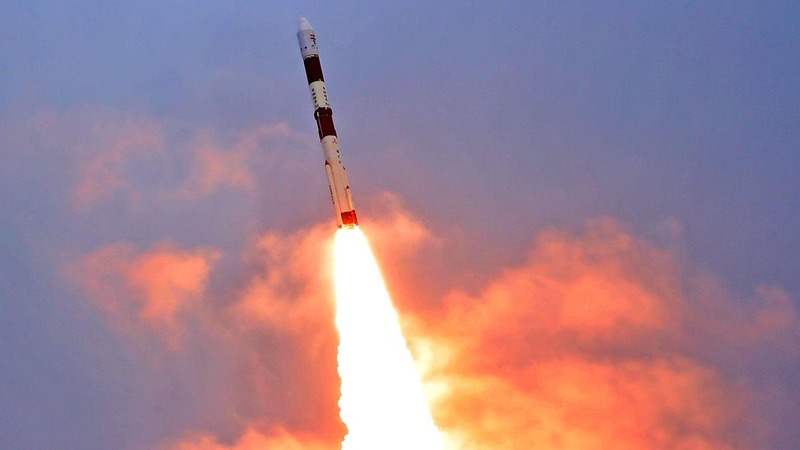
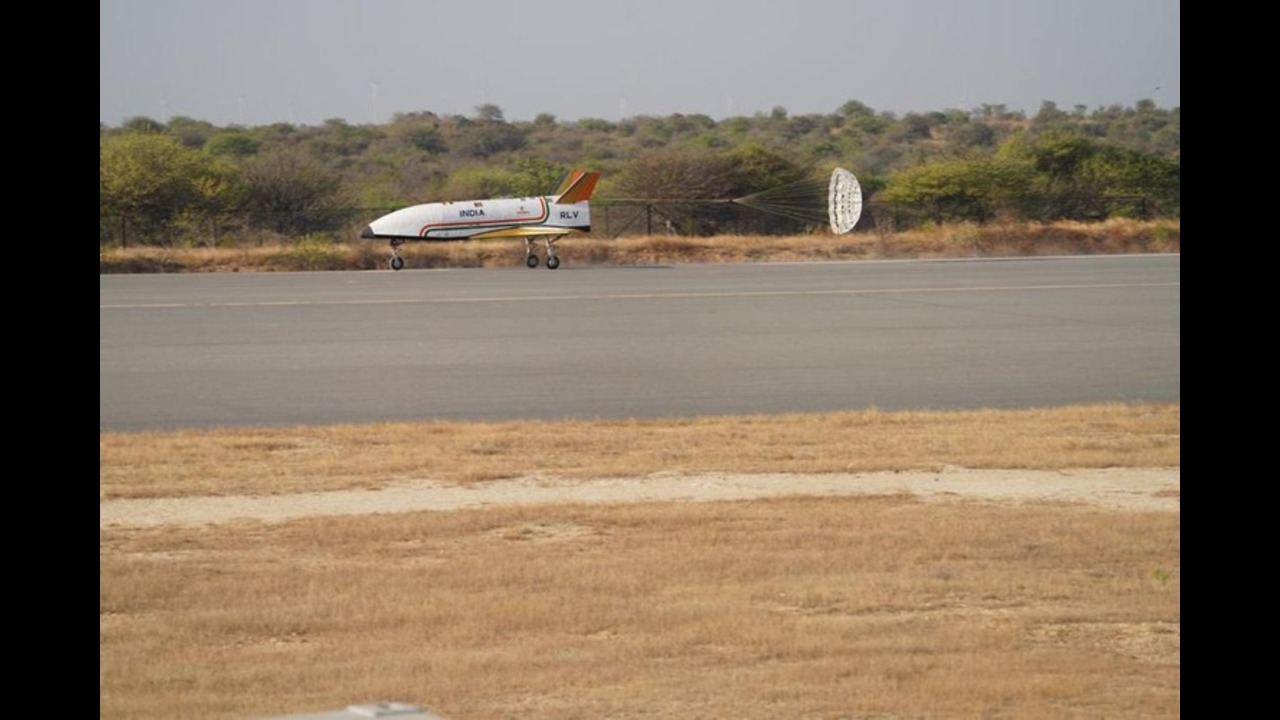
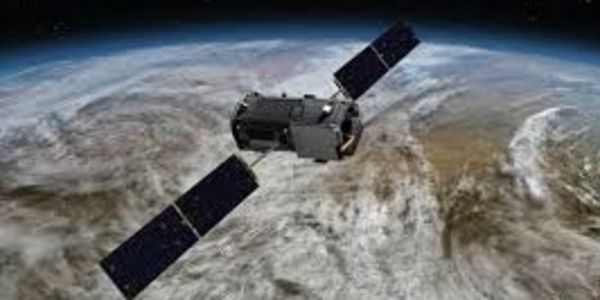
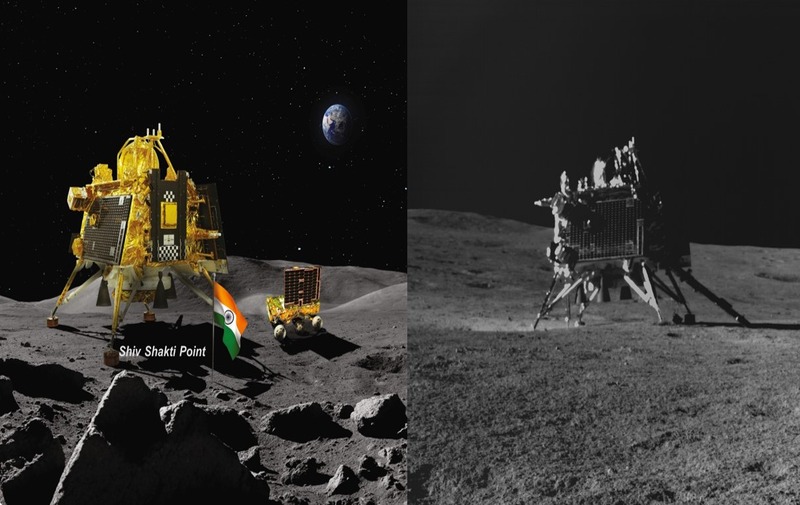
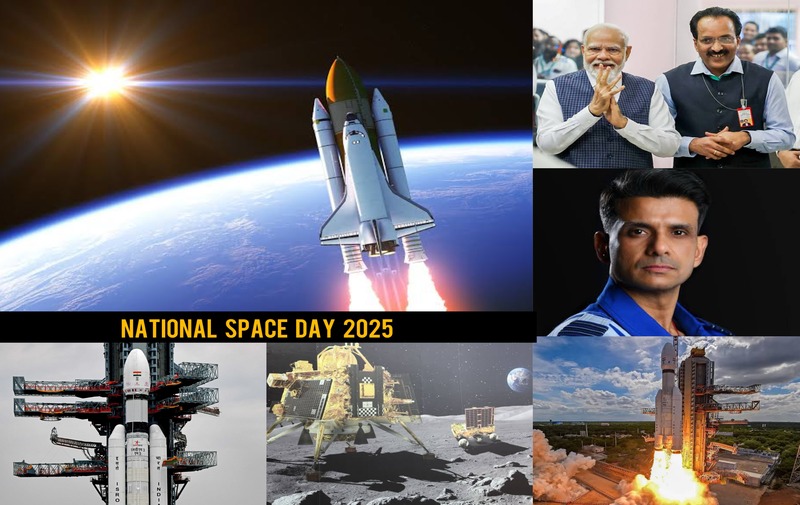
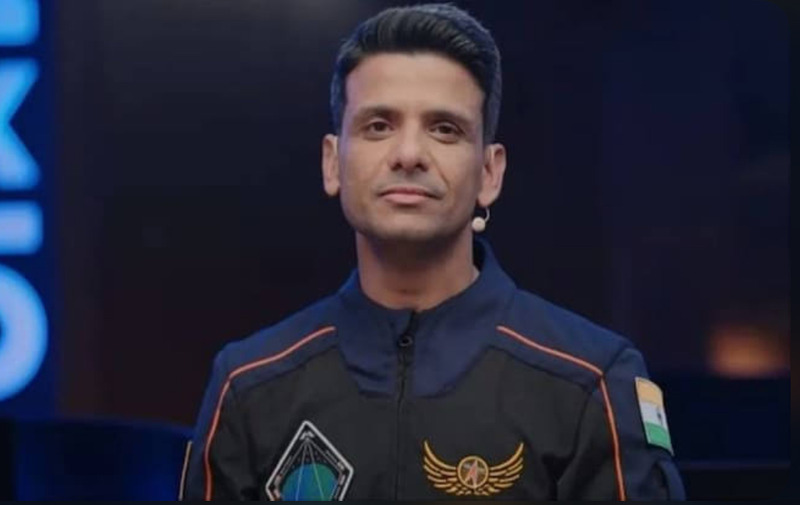
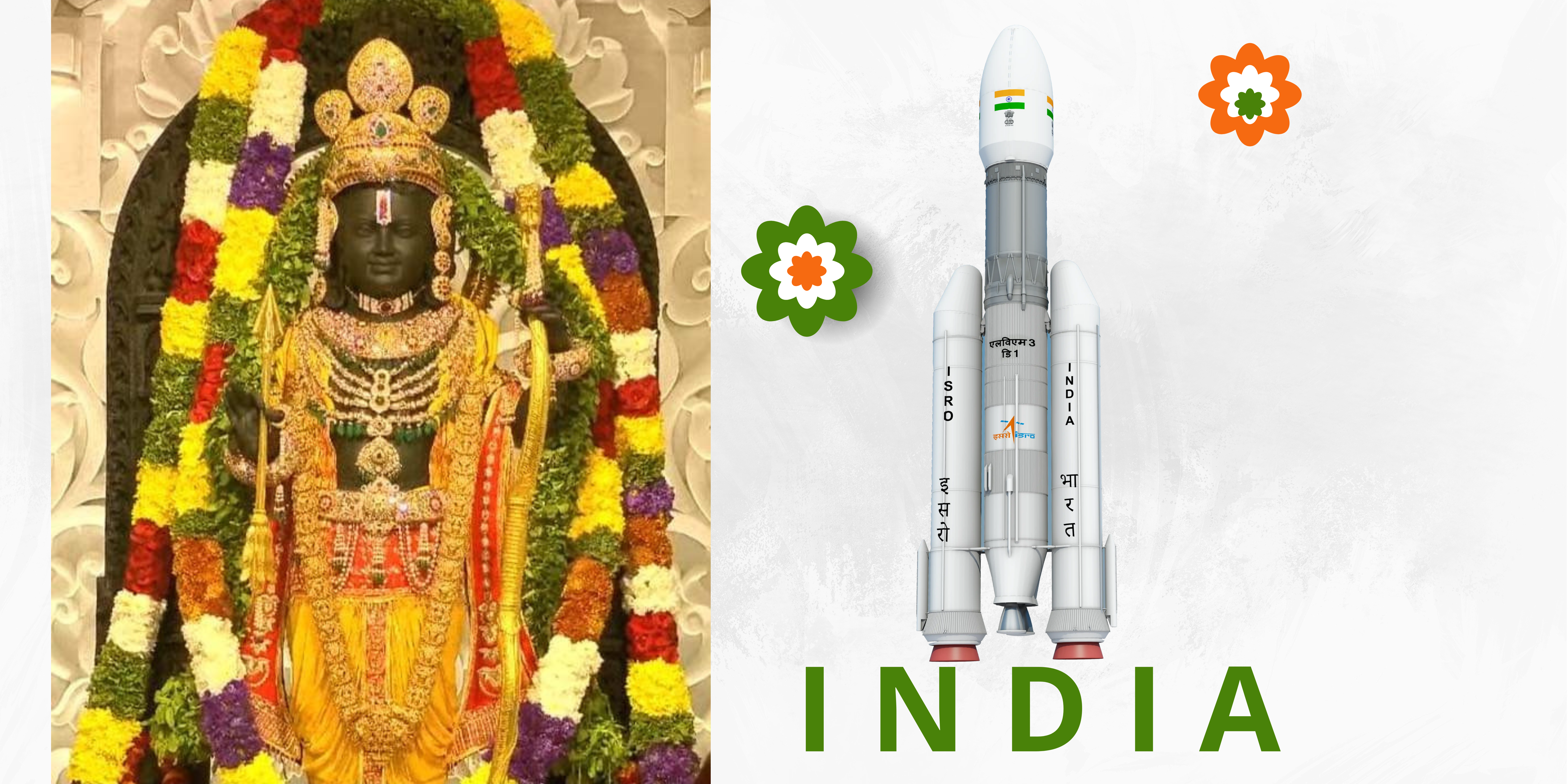
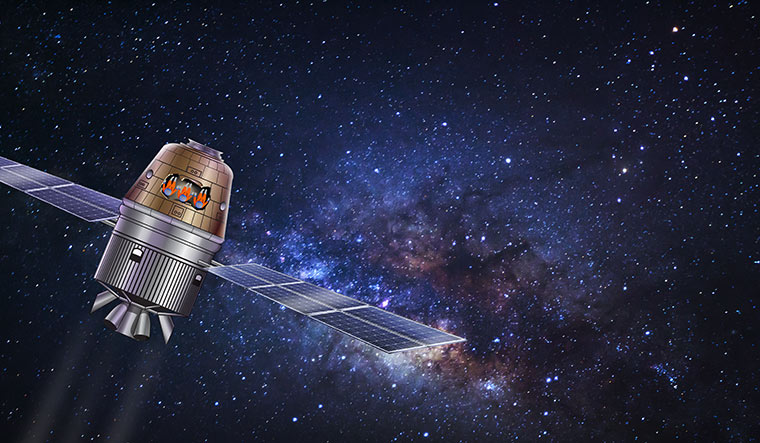
On August 23, 2023, India made history by becoming the first country to reach the Moon’s south pole, a feat achieved by the Chandrayaan-3 mission. With this achievement, India joined the exclusive club of nations that have landed on the Moon, becoming the fourth country globally to do so. To honor this milestone, Prime Minister Narendra Modi declared August 23 as National Space Day, a day to celebrate India’s space saga and inspire future generations. This year, National Space Day 2025 carries the theme “Bridging the Past and Future: Honoring Traditional Astronomy and Showcasing Modern Space Achievements.” The celebrations highlight not only the scientific and technological advancements of ISRO but also India’s deep cultural connection with astronomy, stretching from Aryabhatta’s time to the upcoming Gaganyaan human spaceflight.Inspiring the Next GenerationNational Space Day 2025 puts students at its core. Across schools, colleges, and universities, events are being organized to spark curiosity and encourage youth participation in science. From science fairs and planetarium shows to competitions and interactive sessions with ISRO scientists, the aim is to nurture the next wave of innovators, scientists, and astronauts. For students in remote villages and urban hubs alike, this celebration is more than a festival; it is a gateway to dreaming big. It tells every child that the stars are not out of reach.Chandrayaan-4: Taking the Next LeapFollowing the resounding success of Chandrayaan-3, ISRO has set its eyes on Chandrayaan-4, a mission that aims to collect lunar samples from the Moon’s south pole. This ambitious project involves four modules traveling to lunar orbit, with two descending to the surface for drilling, scooping, and collection. Key technologies such as autonomous ascent systems, robotic arms, heat shields, and deceleration mechanisms are being perfected for this mission, placing India at the forefront of lunar sample return missions—an elite category of exploration.Gaganyaan Programme: India’s First Human SpaceflightOne of the most awaited missions of 2025 is the Gaganyaan Programme, India’s first indigenous human spaceflight. Approved at an outlay of ₹20,193 crore, the mission aims to send Indian astronauts into Low Earth Orbit (LEO). This year is crucial as ISRO gears up for the second Test Vehicle Mission (TV-D2) in Q3 2025 to validate the Crew Escape System and the first uncrewed orbital flight (G1) in Q4 2025. These precursor flights will pave the way for crewed missions in 2026, marking India’s entry into the select group of nations capable of sending humans to space.Shubhanshu Shukla: A Young Star on National Space DayOn National Space Day, Shubhanshu Shukla stands out as a symbol of India’s rising youth in space exploration. Selected to engage with Axiom Mission One (Ax-1) educational programs, he showcased how young Indians are contributing to global space dialogues. Beyond this achievement, Shubhanshu inspires students through his passion for STEM and innovation, motivating them to dream big and pursue careers in space science. His journey perfectly reflects the spirit of the day—celebrating India’s achievements from Aryabhata to Chandrayaan while empowering the next generation to look at the stars and shape the nation’s cosmic future.NISAR: India–US Mission to Track Earth’s Changing FaceThe NASA–ISRO Synthetic Aperture Radar (NISAR) was a groundbreaking Earth-observing mission jointly developed by NASA and ISRO. It was the first satellite to use dual-frequency radar (L-band and S-band), enabling precise, all-weather, day-and-night monitoring of Earth’s surface. NISAR will study ecosystem changes, glacier melt, earthquakes, landslides, agriculture, and climate shifts, capturing movements as small as a few millimeters. Its importance lies in providing critical data for disaster management, climate action, and sustainable resource planning—making it a mission not just for science, but for safeguarding humanity’s future.Next-Generation Launch Vehicles (NGLV): Powering the FutureIndia’s future in space exploration also lies in its Next-Generation Launch Vehicles (NGLV), designed with reusability at their core. Unlike expendable rockets, the NGLVs will enable recovery and reuse of the first stage, drastically reducing costs. With a 30,000 kg payload capacity to Low Earth Orbit, these rockets represent a giant leap from India’s early SLV-3, signifying a 1,000-fold increase in capability.Space for Society: Technology that Touches LivesBeyond lunar missions and astronaut milestones, India’s space program has deeply impacted everyday life on the ground. Through initiatives like the SVAMITVA Project, satellite imagery is being used for land mapping to ensure property rights and transparency. In disaster management, real-time weather forecasting and early warnings save countless lives. For rural empowerment, satellite-based telecommunication brings connectivity to remote areas, while precision farming helps farmers improve productivity. Even in healthcare and education, telemedicine and e-learning platforms powered by satellites are bridging gaps in underserved regions. India’s space story, therefore, is not just about rockets—it is about empowering people at the grassroots.Viksit Bharat 2047 and BeyondNational Space Day 2025 is not just a celebration of achievements but also a roadmap to the future. With projects like Gaganyaan, Chandrayaan-4, and NGLVs, India is positioning itself as a key player in the global space economy, expected to be worth trillions in the coming decades. Together with initiatives like National Meet 2.0 and Viksit Bharat 2047, India envisions a future where space technology powers sustainable growth, economic empowerment, and scientific excellence. As India celebrates National Space Day 2025, the message is clear: our journey from Aryabhata to Gaganyaan, from the Earth’s orbit to the Moon’s south pole, is only the beginning. This is a day to honor the past, celebrate the present, and dream of the future. For India, the sky is no longer the limit; it is just the beginning.









.jpg)
.jpg)
.jpg)
.jpeg)
.jpg)




 (1).jpeg)
.jpg)


.png)
 (1).jpeg)