

Shweta Suman: The Woman Putting Bihar on India’s Semiconductor Map
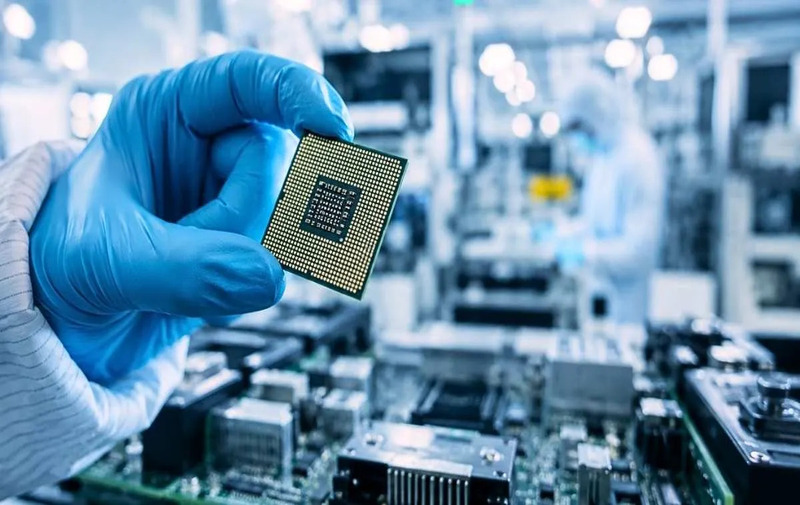
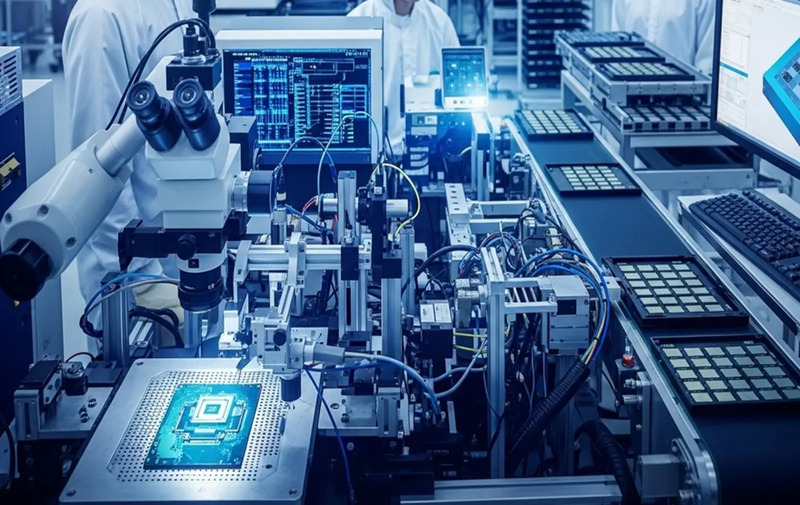
What if some of India’s most ambitious technology companies were built not from Bengaluru or Hyderabad, but from Bihar? Shweta Suman has made that happen.After studying engineering at BIT Mesra, spending years in Oman and eventually returning to Bihar after marriage, Suman chose to build her technology venture from the state. That journey has now taken her to SEMICON India 2026, where her company, Swadeza, showcased its semiconductor technology.Its message is simple: built in Bihar, built for the world.Taking AI Into Chip EngineeringSwadeza is developing FORGE, an AI-native platform aimed at critical stages of semiconductor engineering, including verification and physical design.Chip development involves enormous amounts of technical information, complex processes and repeated testing. Verification, in particular, can take significant time because engineers must establish that a chip behaves as intended before it reaches fabrication.Swadeza believes AI can make these workflows more efficient. Its approach is different from simply asking a general-purpose AI assistant questions. FORGE is designed to map chip information, provide an AI model with the specific information needed for a task and convert its findings into more structured, deterministic models.Four Tools, One Chip JourneyFORGE is being developed across several parts of the semiconductor lifecycle.DV-FORGE focuses on design verification, generating verification plans, coverage models and UVM testbenches from chip reference material.Swadeza says DV-FORGE has been used on OpenTitan-class systems, including OpenTitan Earlgrey, where it reports signing off the design in 30 days and identifying seven bugs across about 40 IP blocks and 2,581 registers.Meanwhile, PD-FORGE is being developed for physical-design closure and is currently in closed testing. PS-FORGE targets post-silicon validation and debugging, while SC-FORGE is focused on standard-cell development.Keeping Sensitive Chip Data CloseOne of FORGE's key features is on-premises deployment. For semiconductor companies, chip designs and related engineering information can represent highly sensitive intellectual property. By allowing the platform to operate within a customer's own environment, Swadeza aims to address some of the security concerns surrounding the use of AI in chip development.The company is also working with professors from BIT Patna and fabless semiconductor company Signitude.Bihar Takes the StageAt SEMICON India 2026, Swadeza made its first public demonstration of FORGE at a startup pod. The event, held from September 17 to 19, brought together major names from the semiconductor ecosystem.For Suman and Swadeza, appearing on that stage represented something larger than a product showcase. It showed how India's deeptech story is gradually expanding beyond its traditional technology hubs.For Suman, the journey is only beginning—but Bihar is already finding its place on India’s semiconductor map.





 (1).jpeg)



















.jpg)
.jpg)
.jpg)
.jpeg)
.jpg)
.jpg)
.jpg)
.jpg)


















 (1).jpeg)

.jpg)







.jpg)