She Hopped 400 Metres to School on One Leg. Now Help Has Reached 7-Year-Old Ragini
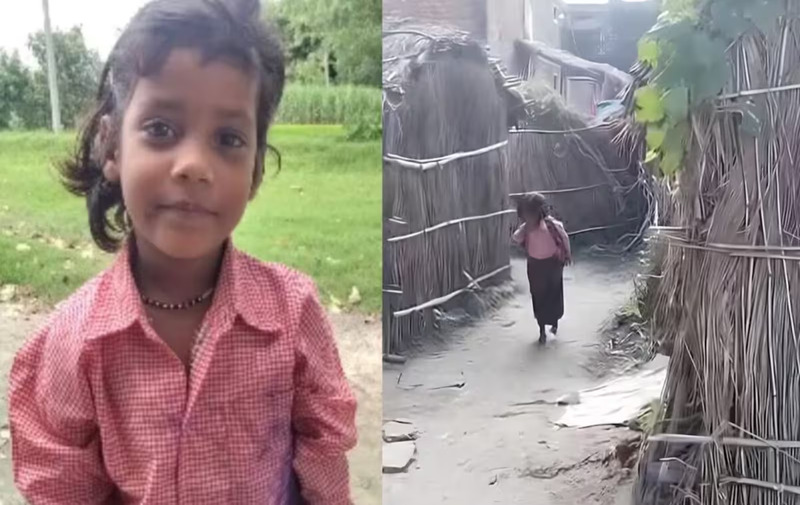
Seven-year-old ragini is a picture of determination and resilience. Until a few days back, the Class 1 student from Ranipur village in Uttar Pradesh’s Ballia district had to travel nearly 400 metres to her school, often hopping on one leg. Some days, the journey became so difficult that she broke down in tears.Yet Ragini kept going. Her determination to study remained stronger than the challenges she faced. She attends Digheda primary school, located about 400 metres from her home in the Manier area.Ragini suffered a severe leg injury in an accident when she was just six months old. Although the family sought treatment at several places, her leg could not be saved. Their financial circumstances also made it difficult to pursue better medical care.“I Want to Study Too”Ragini was inspired by the sight of other children walking to school with their bags. She would often tell her mother that she wanted to study like them. Sometimes, family members accompanied her to school. At other times, she made the journey herself, hopping on one leg.In a video that later went viral, Ragini made an emotional appeal to the district administration, asking for a bicycle so she could continue attending school. Her plea quickly drew attention online, with people calling for support for the little girl.Help Arrives After the VideoThe viral video soon reached the Ballia district administration. District Magistrate Mangla Prasad Singh responded by sending the district empowerment officer for persons with disabilities and a doctor to assess Ragini’s condition. The following day, Singh visited Ragini’s home along with officials and spoke with her mother and grandfather.The administration provided Ragini with two tricycles, books, a school bag, toys and chocolates. Officials also assured the family that her education would not be disrupted and that she would receive all eligible government assistance. Medical assistance is also being arranged, with Ragini set to undergo an examination to explore appropriate treatment options.More Than a Ride to SchoolThe intervention went beyond helping Ragini reach school. India Today reports that during his visit, the district magistrate inspected the poor condition of the road leading to the village and directed officials to initiate repairs at the earliest. The family was also informed that funds had been sanctioned for constructing a toilet at their home.For a child who simply wanted to go to school, a viral video has now brought attention to challenges that extend far beyond her daily journey. For Ragini, all she wanted was a chance to go to school and study like other children. Now, with help from the administration, that journey may become a little easier. And Ragini can keep doing what she loves most—going to school and learning.







.jpeg)
.jpeg)
















.jpg)