
The Toofaan Games : Meet the Women Powering India’s Largest Grassroots Athletics Event for Girls
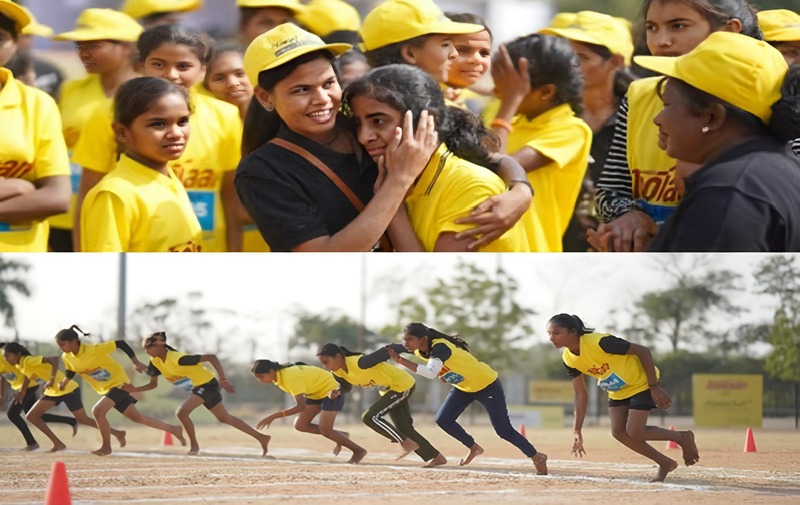
In thousands of dusty playgrounds across rural India, a silent revolution is unfolding. There are no grand stadiums, no celebrity coaches, and no television cameras. Yet, every week, young girls run, jump, sprint, and compete, many for the first time in their lives. Behind them stands an invisible army of 1,700 rural women who are making this possible. They are the backbone of the Toofaan Games, India’s largest grassroots athletics initiative for girls, and their impact reaches far beyond sport.The Women Who Were Never Allowed to RunThe women who run the Toofaan Games are known as ‘Skills Associates’ or ‘sports allies.’ They come from remote villages across seven states and share a common past. Most of them grew up in environments where girls were discouraged, or outright forbidden, from playing sports. Running in public, wearing sports clothes, or spending time on a playground was often seen as inappropriate. Many had no formal exposure to athletics at all. Today, these same women manage a sports ecosystem that reaches nearly two lakh girls, proving that lived experience can become the strongest form of leadership.Toofaan Games: Simple Events, Powerful ChangeThe Toofaan Games focus on four basic athletic events: the 50-metre sprint, shuttle run, standing long jump, and endurance run. These events were chosen deliberately. They are easy to conduct, require minimal equipment, and allow girls to demonstrate speed, agility, strength, and stamina. Every year, around 130 girls qualify for the final stage of the Games. For many, this is the first time they step outside their village, travel independently, and see a world larger than their everyday surroundings.A Women-Led Ecosystem from Start to FinishWhat makes the Toofaan Games truly remarkable is that the entire initiative is led by women, from training and coaching to evaluation and results. The program operates through Naandi Foundation’s Nanhi Kali initiative, which has been working since 1998 to uplift girls and women across India. Nanhi Kali’s after-school tuition centres are managed by young women from the same communities as the girls. When sports were introduced into the program, these tutors were invited to become ‘sports allies’ and conduct weekly sports sessions. In the first year, becoming a sports ally was optional. Many tutors hesitated, unsure of what sports training would involve. Some openly said they did not want to participate because they lacked confidence or experience. But something shifted once the program began. As the women saw the girls’ excitement, confidence, and physical growth, their own hesitation faded. By the second year, almost everyone wanted to be part of it. The success of the first Toofaan Games in 2020 validated Naandi’s belief that sport could be a powerful tool for change.From Local Grounds to National MovementEach year, from August to January, the Toofaan Games sweep across nearly 6,000 villages in nine states, stretching from Darjeeling in the northeast to Bharuch in the west. In some regions, the program has expanded into football coaching as well. In the Bharuch district of Gujarat, for instance, girls’ football teams have flourished in areas once considered too conservative or underdeveloped for such activities. These teams now participate in inter-district tournaments, often as the only girls’ teams present. For some, it has improved health; for others, it has brought renewed purpose and confidence. Many never imagined that sports would become central to their professional identity. Today, some have even gone on to earn formal coaching certifications, breaking yet another barrier.The Architects of a New Rural RealityThe Toofaan Games are not about creating elite athletes alone. They are about creating choice, confidence, and courage. By placing women at the centre and sport at the grassroots, the program is reshaping how rural India views girls’ bodies, abilities, and ambitions. These 1,700 women may work quietly, without applause, but they are architects of a new, girl-centric world.