Maharashtra Day: What Makes Maharashtra Truly Maha!
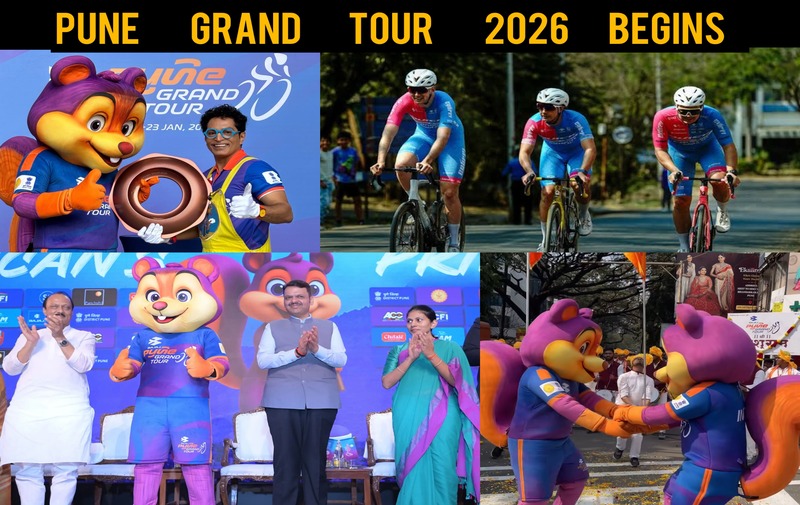
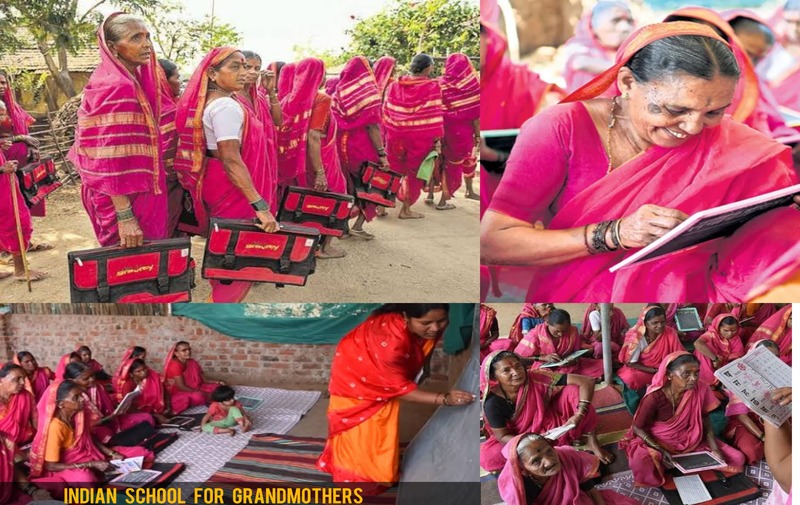
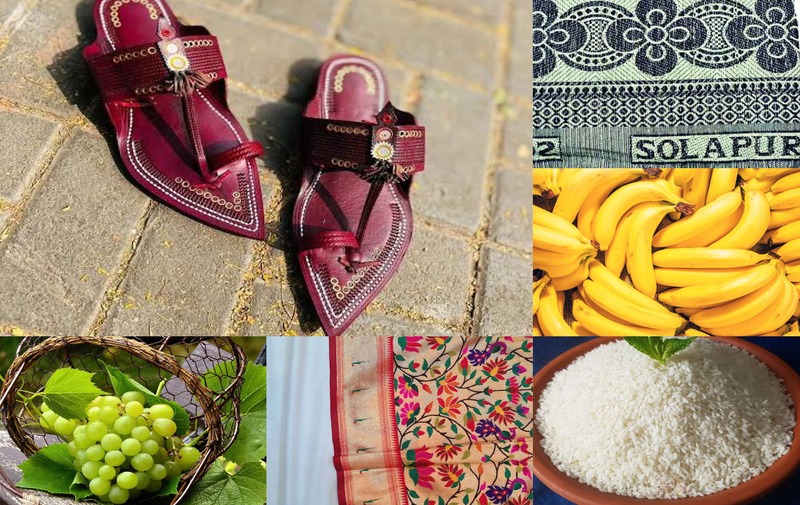
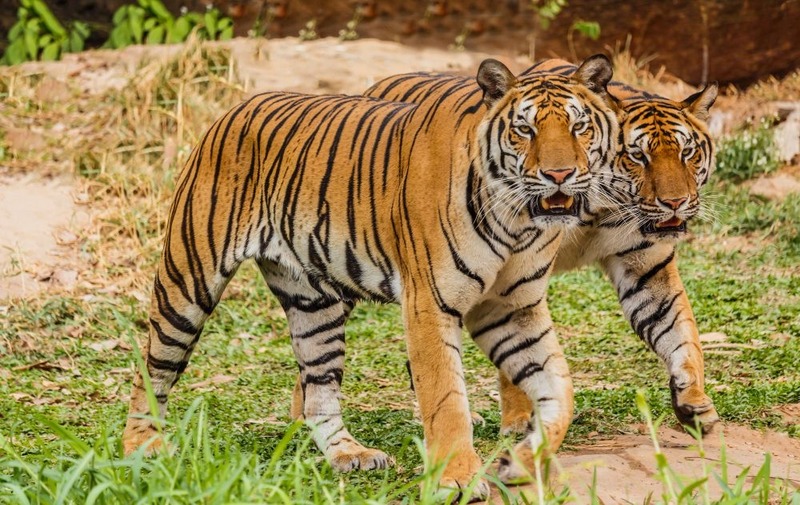
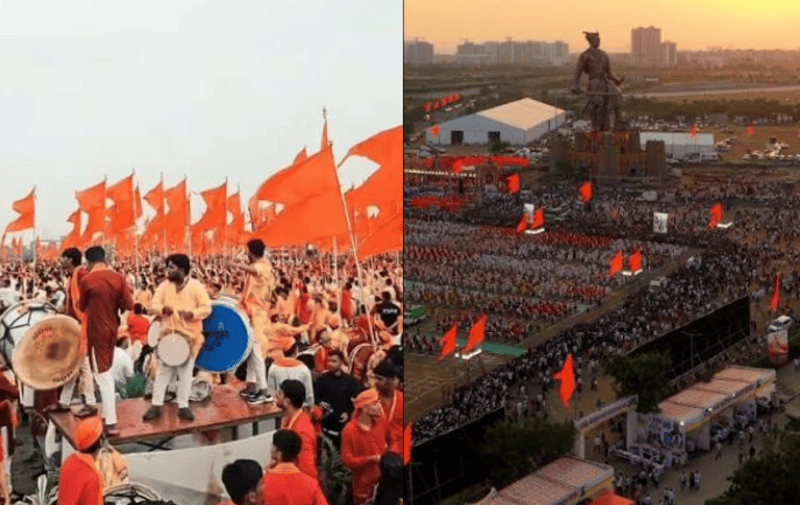
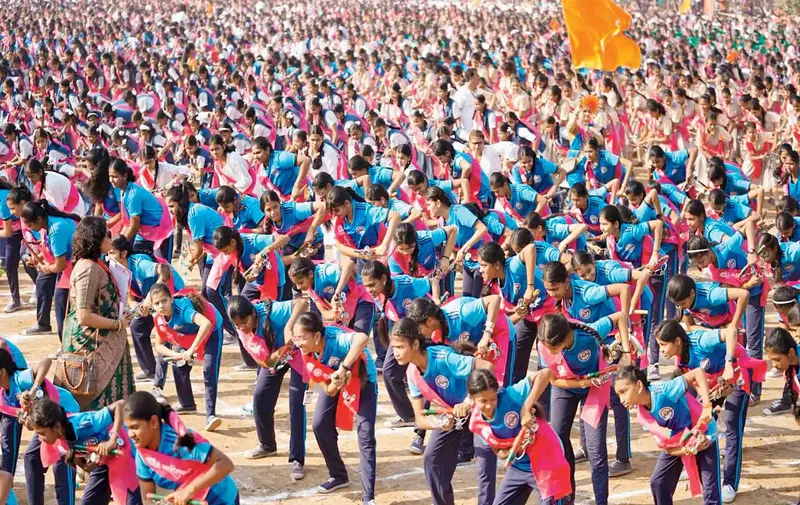
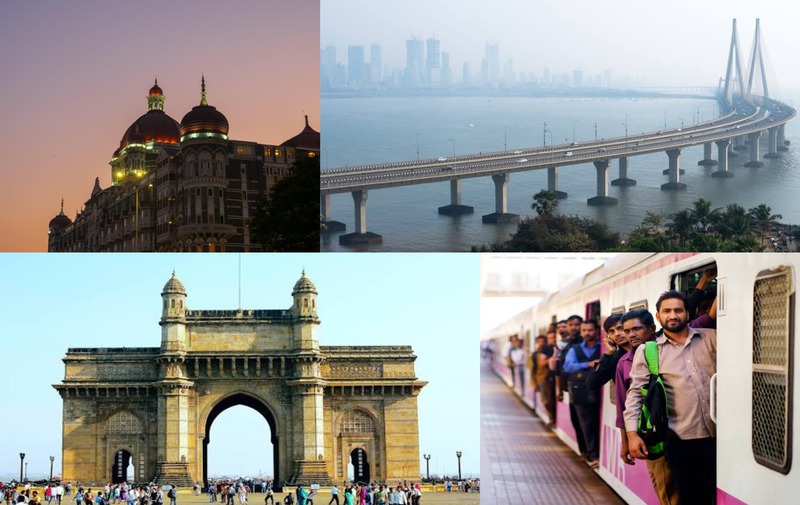
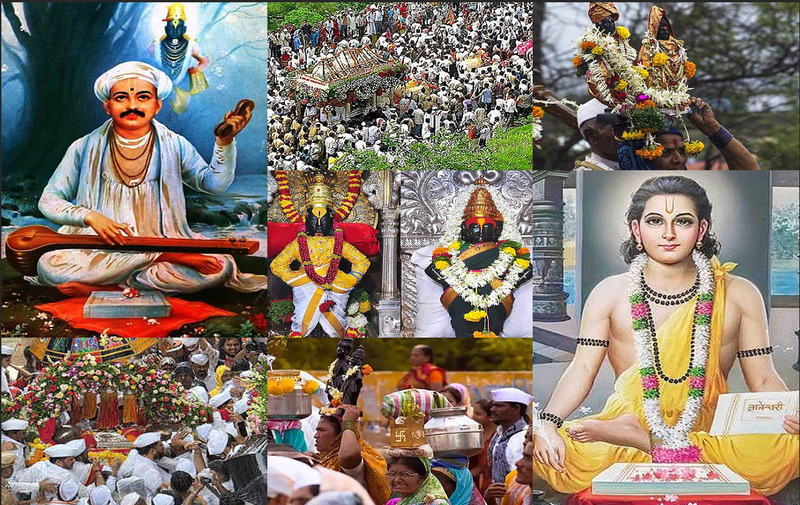
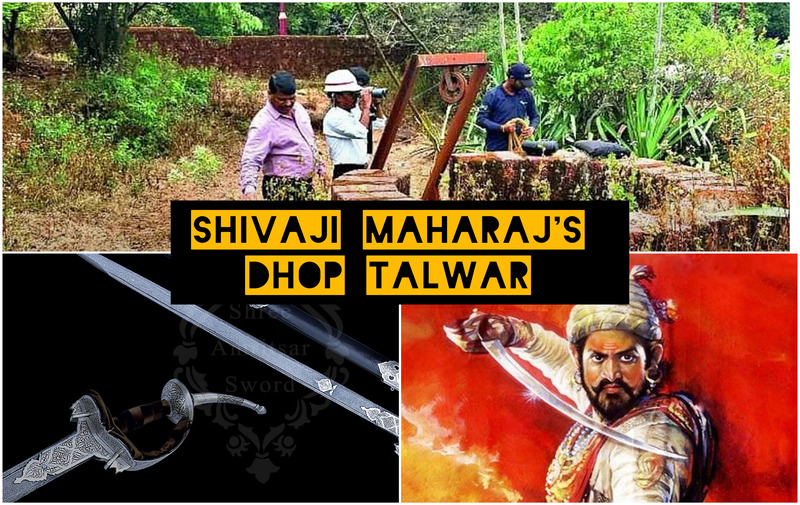
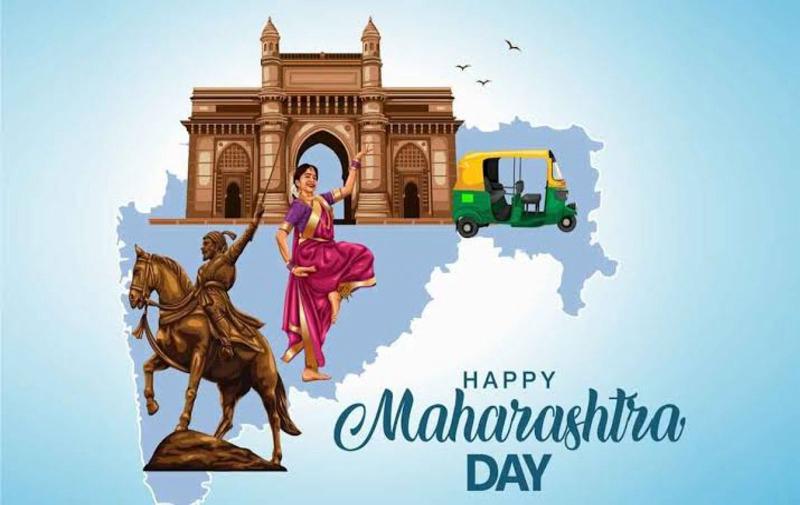
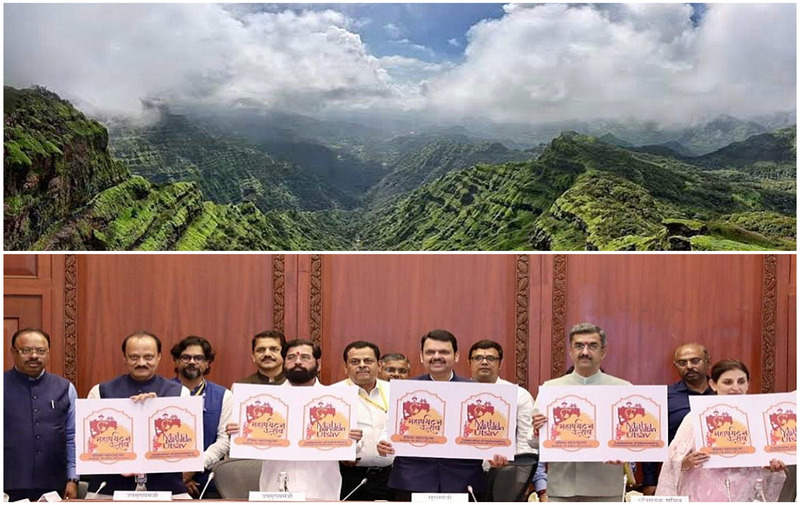
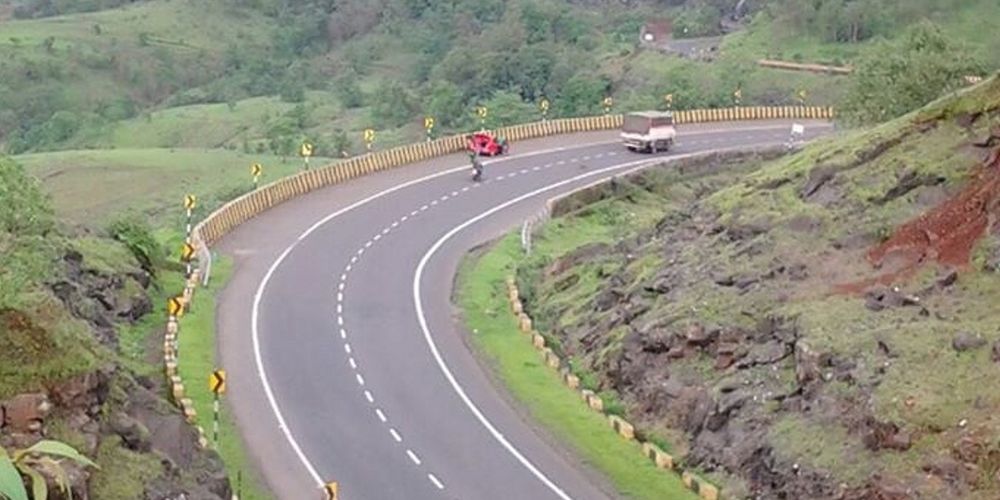
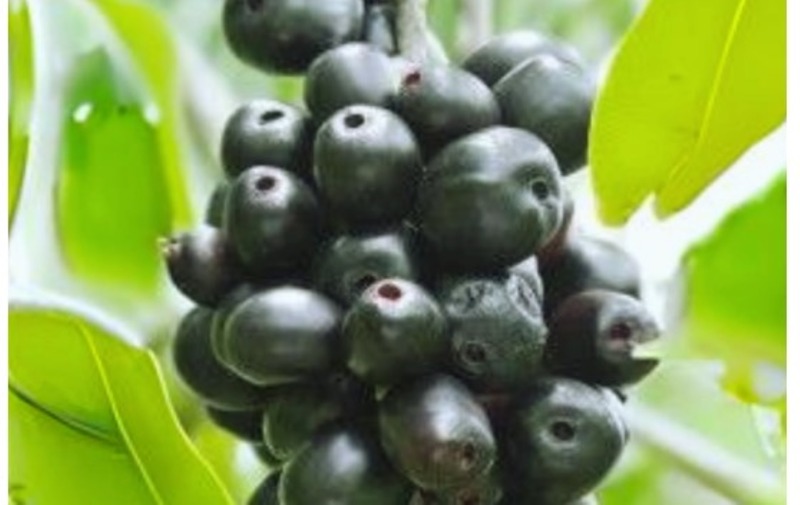
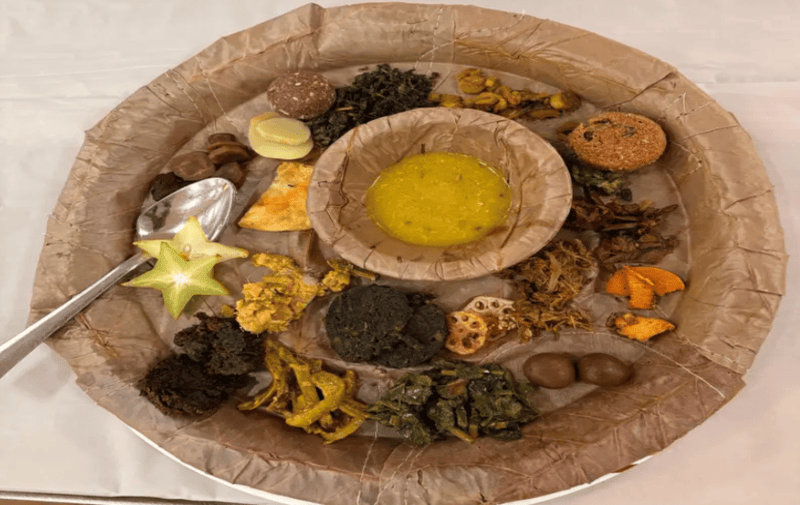
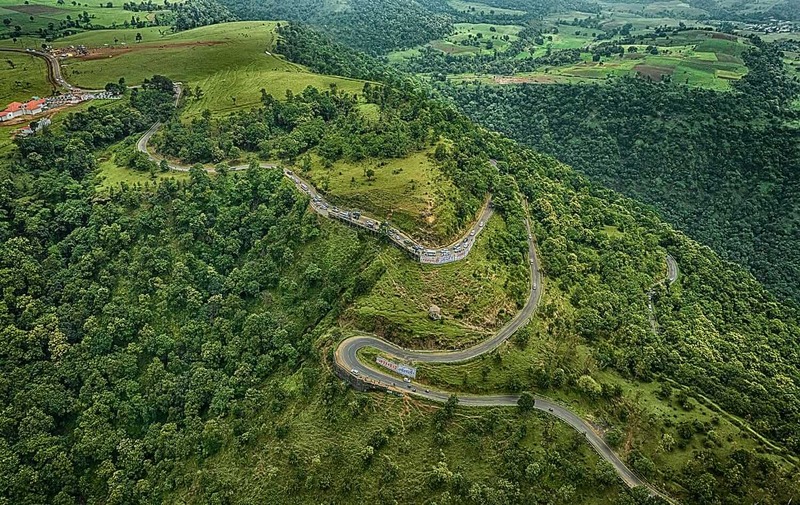
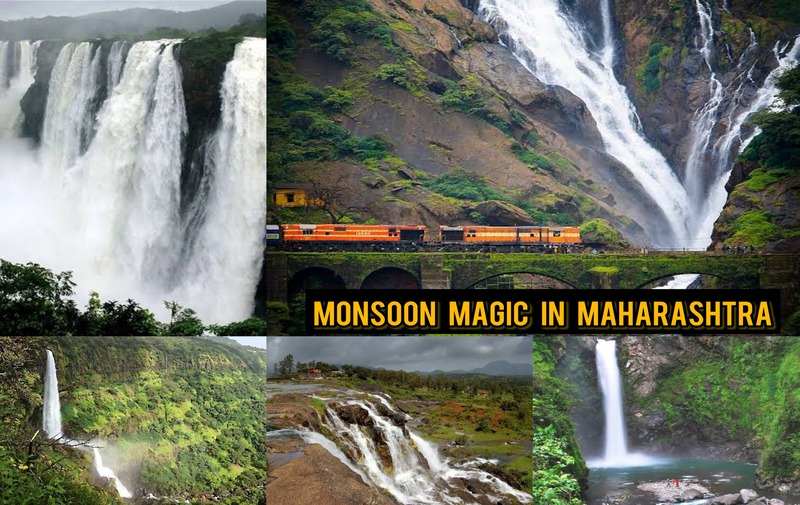
Maharashtra's history dates back to approximately 1300-700 BCE, with the region being ruled by various dynasties, including the Satavahana Empire, Vakataka dynasty, Chalukya Empire, Rashtrakuta Empire, and Maratha Empire. The state was a significant hub of trade and culture, with international trade links with the Greeks and Romans. The Ajanta and Ellora Caves, built during this period, are proofs to the region's architectural and artistic prowess. The Maratha dynasty, led by Shivaji Maharaja in the 16th century, played a crucial role in shaping the state's history .The Formation of MaharashtraThe modern state of Maharashtra was formed on May 1, 1960, after the Bombay Reorganisation Act came into effect. This act created two new states, Maharashtra and Gujarat, out of the erstwhile Bombay State, which was composed of diverse linguistic groups. The Samyukta Maharashtra Movement, led by the Samyukta Maharashtra Samiti, played a pivotal role in demanding a separate Marathi-speaking state. Maharashtra Day, celebrated on May 1, commemorates the formation of the state and honors the sacrifices of those involved in the movement.Regions of MaharashtraMaharashtra is divided into several distinct regions, each with its unique cultural, geographical, and historical characteristics. The Konkan region, which includes Mumbai City, Mumbai Suburban, Thane, Palghar, Raigad, Ratnagiri, and Sindhudurg districts, is known for its stunning coastal scenery, historical forts like Raigad and Sindhudurg, and Alphonso mangoes in Raigad and Ratnagiri. Famous cities in this region include Mumbai, the financial capital, and Alibaug, a popular beach destination.The Paschim Maharashtra (Desh) region, comprising Pune, Satara, Sangli, Kolhapur, and Solapur districts, is renowned for its Western Ghats scenery, historical landmarks like Shaniwar Wada and Sajjangad Fort, and Kolhapuri chappals. Pune, an educational hub, and Kolhapur, with its famous Mahalaxmi Temple, are prominent cities in this region.North Maharashtra, which includes Nashik, Dhule, Nandurbar, Jalgaon, and Ahmednagar districts, is famous for its wine production, historical temples, and forts like Trimbakeshwar Temple and Songir Fort. Nashik, known as the wine capital, and Jalgaon, with its gold jewelry industry, are notable cities in this region.The Marathwada region, consisting of Aurangabad, Jalna, Parbhani, Hingoli, Beed, Osmanabad, Nanded, and Latur districts, is steeped in history and cultural heritage. Aurangabad, with its iconic Ajanta and Ellora Caves, and Nanded, with the revered Hazur Sahib Gurudwara, are prominent cities in this region.Lastly, the Vidarbha region, which includes Nagpur, Wardha, Bhandara, Gondia, Chandrapur, Gadchiroli, Amravati, Akola, Buldhana, Washim, and Yavatmal districts, is known for its orange orchards, coal mines, and the Tadoba-Andhari Tiger Reserve. Nagpur, the orange city, and Wardha, with its historic Sevagram Ashram, are famous cities in this region. Each of these regions contributes to Maharashtra's rich diversity, showcasing a mix of urban and rural landscapes, cultural traditions, and economic activities.The Rhythm and Flavors of MaharashtraMaharashtra is a state that moves with rhythm and flavor, showcasing its rich cultural heritage through various traditional dance forms and delectable cuisine. One of the most iconic dance forms is Lavani, a folk dance that combines music, dance, and storytelling, often performed by women. Another popular dance form is Tamasha, a traditional folk theater that incorporates music, dance, and drama. These dance forms are often performed during festivals and celebrations, adding to the state's vibrant cultural landscape.When it comes to food, Maharashtra has a yummy plate of delicious dishes that are both popular and iconic. Vada Pav, a crispy fried fritter sandwich, is a favorite street food in Mumbai. Other popular dishes include Misal Pav, a spicy curry made with sprouted lentils and served with bread, and Puran Poli, a sweet flatbread stuffed with jaggery and lentils. The state is also famous for its Modak, a sweet dumpling filled with coconut and jaggery, often associated with the revered deity Lord Ganesha. These dance forms and dishes are an integral part of Maharashtra's identity, reflecting its rich cultural heritage and culinary diversity.Cultural HeritageMaharashtra is known for its rich cultural heritage, with the Marathi language being a significant part of it. The state has a diverse population, with the majority being Marathi-speaking, while Konkani and other languages are also spoken. The state's cultural identity is reflected in its traditional garb, music, and art forms. People dress up in traditional attire to attend musical rallies and cultural events across Maharashtra, showcasing the state's vibrant culture. Maharashtra is an economic powerhouse, contributing significantly to India's GDP. The state accounts for 12.92% of the country's total GDP, with a per capita income higher than the national average. Mumbai, the state's capital, is India's financial hub, hosting key financial institutions and markets. The state's infrastructure, including 18 national highways covering 17,757 km and multiple airports, supports its economic growth.Interesting Facts- Maharashtra has the most world heritage sites in India, showcasing its rich history and cultural significance.- The state is home to the Indian giant squirrel, yellow-footed green pigeon, jarul, mango, and blue Mormon, which are the state animal, bird, flower, tree, and butterfly, respectively.- Nashik, a city in Maharashtra, is known as the biggest market for onions, producing half of the world's onions every year.- Wipro Ltd, a technology and IT company, was established in Amalner, District Jalgaon, Maharashtra.- The state was the first to build an Indian expressway and features a hyperloop system, showcasing its commitment to innovation and development.- The dabbawala system in Mumbai is considered one of the most efficient delivery systems in the world.Celebrating Maharashtra DayMaharashtra Day is celebrated with great enthusiasm across the state, with cultural events, parades, and public gatherings. A grand celebration is held at Shivaji Park in Mumbai, attended by the Governor, who delivers a speech highlighting the state's achievements and progress. Educational institutes, banks, government offices, and financial markets remain closed on this day, marking the state's unity and pride.Maharashtra is a state that takes pride in its rich history, vibrant culture, and significant contributions to India's growth and development. As the state continues to grow and evolve, its people remain committed to preserving their heritage and promoting progress.

.jpeg)
 (1).jpeg)

.jpeg)











.jpg)





.jpeg)