From Welfare to Empowerment: How TN’s Laptop Scheme Is Shaping Tomorrow
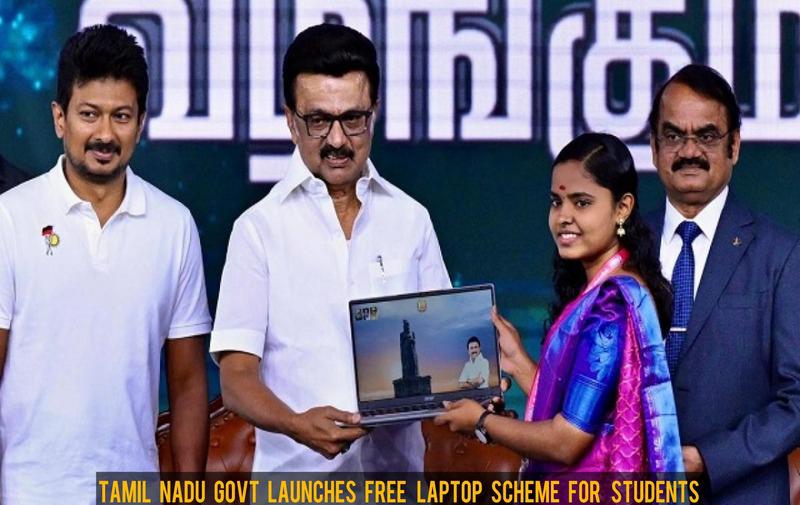
When Tamil Nadu Chief Minister M.K. Stalin described the state’s free laptop scheme as “not an expenditure, but an investment,” he set the tone for a policy that goes far beyond material distribution. The launch of the ‘Ulagam Ungal Kaiyil’ (The World in Your Hands) scheme reflects a larger philosophy: that access to technology is no longer a privilege but a prerequisite for meaningful participation in modern education and employment. Under this ambitious initiative, the Tamil Nadu government plans to distribute 20 lakh laptops to college students across the state. In the current phase alone, 10 lakh laptops are being provided, backed by a substantial ₹2,000 crore allocation in the present financial year. The scale itself signals the seriousness of the intent to bridge digital divides and prepare students for a rapidly evolving, technology-driven world.Who Benefits and Why It MattersThe scheme is targeted at students pursuing higher education in government-run institutions, ensuring that those from economically weaker backgrounds are not left behind in the digital race. It covers a wide spectrum of learners, including students from polytechnic colleges and Industrial Training Institutes, as well as those enrolled in engineering, arts and science, medicine, agriculture, and law streams. This inclusivity is crucial. For many first-generation learners in Tamil Nadu, a personal laptop is not merely a device; it is access to online classrooms, research journals, skill platforms, competitive exam preparation, and global knowledge networks. By placing this tool directly in students’ hands, the government is effectively extending the classroom beyond physical walls.Technology with Substance, Not SymbolismThe laptops being distributed are not symbolic handouts. Sourced from reputed brands such as Dell, Acer, and HP, they come with configurations that meet contemporary academic and professional needs. Powered by Intel i3 or AMD Ryzen 3 processors, equipped with 8 GB RAM and 256 GB SSD storage, and running Windows 11 Home Strategic along with BOSS Linux OS, these devices are designed for serious use. The inclusion of MS Office 365 further enhances productivity, while the provision of a six-month free subscription to the Perplexity Pro AI platform signals a forward-looking approach. By integrating AI tools into student life, the scheme encourages learners to move beyond basic computer literacy toward intelligent, research-driven engagement with technology.AI as the “Second Fire”One of the most striking moments of the launch came when Chief Minister Stalin drew a historical parallel, recalling humanity’s discovery of fire and the wheel. He described Artificial Intelligence as “the second fire given to humans”, emphasizing its transformative potential. The laptop, he said, is the means through which students can properly harness this power. At the same time, his message was grounded and cautionary. AI, he reminded students, will not replace humans but will enhance human capability, making work faster, smarter, and more efficient. In a world where skill-based jobs are rapidly emerging, adaptability and continuous learning are no longer optional. The responsibility, therefore, lies with students to use these tools purposefully.Part of a Larger Ecosystem of SupportThe free laptop initiative does not stand alone. It strengthens an already robust framework of educational support in Tamil Nadu. Programs such as post-matric scholarships continue to ease financial burdens, while the “Naan Mudhalvan” scheme focuses on skill development and employability, aligning education with industry needs. In addition, the state provides monthly financial assistance of ₹1,000 to college-going students, both men and women, ensuring that basic economic constraints do not force dropouts. Together, these initiatives create an ecosystem where access, affordability, and employability move in tandem. The Tamil Nadu government sends a powerful message: education, when paired with technology and vision, is the strongest equalizer. In doing so, the state reinforces its long-standing reputation as a pioneer in social justice-driven education, now reimagined for the digital age.