
Sweet News from India: Six Traditional Treats that Earned GI Status in 2025
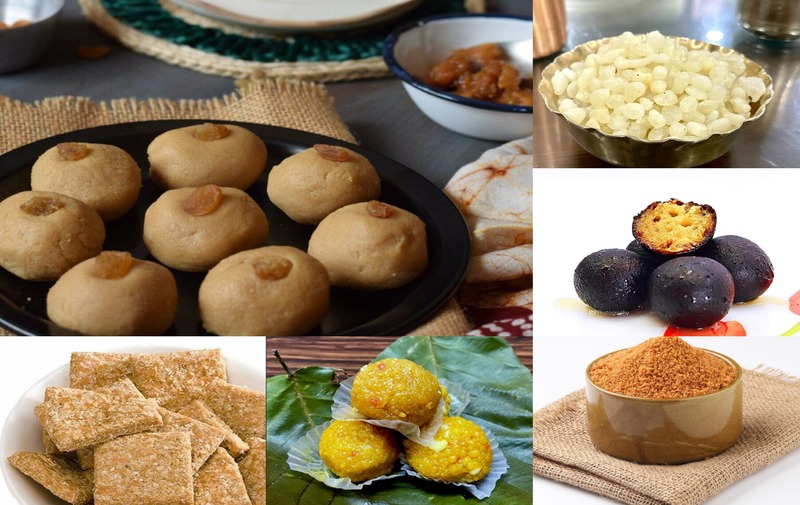
Indian sweets are rarely just desserts. They are memories wrapped in sugar, rituals shaped by seasons, and skills passed quietly from one generation to the next. In 2025, this deep connection between food and heritage received national recognition when six traditional Indian sweets and sweet products were granted Geographical Indication (GI) tags. This certification is not about branding alone; it is about protecting identity, livelihoods, and centuries-old culinary wisdom rooted in specific regions. From winter delicacies of Bengal to chemical-free jaggery from Tamil Nadu, each of these GI-tagged sweets tells a story of land, climate, craftsmanship, and community.Nolen Gur-er Sandesh: Winter’s Sweet Embrace from BengalNolen gur-er sandesh is inseparable from winter in West Bengal. Made using fresh chhena, a soft acid-set cheese, and liquid date palm jaggery known as nolen gur, this delicacy captures the fleeting season when date palms yield their best sap. Harvested mainly from areas around Bardhaman, the jaggery lends the sandesh its signature amber hue and a deep, earthy sweetness that feels warm and comforting. What makes this sandesh special is its delicate balance. The chhena is gently cooked with melted nolen gur, ensuring the texture remains soft and melt-in-the-mouth rather than dense. A mild caramel aroma lingers, often enhanced with a whisper of cardamom. For many Bengali families, buying nolen gur-er sandesh from neighborhood sweet shops is a winter ritual, a small celebration of the season’s arrival. The GI tag now ensures that this fragile tradition is protected from imitation and seasonal shortcuts.Murshidabad Chhanabora: A Sweet Echo of Mughal KitchensMurshidabad chhanabora reflects the historical richness of its region. Made from fresh chhena shaped into small rounds, the sweet is lightly fried to create a thin crust before being soaked in sugar syrup. Unlike rosogolla, which is airy and spongy, chhanabora offers a gentle chew at the center with a caramelized exterior that adds depth to every bite. Often flavored with cardamom or rose water, chhanabora carries culinary influences from the Mughal era, when Murshidabad was a major political and cultural center. Sweet-makers here treat the process with quiet precision, ensuring the frying is just enough to seal the texture without hardening it. Today, GI-certified chhanabora can be found in select sweet shops across Kolkata and Siliguri, allowing a wider audience to taste a dessert that once belonged mainly to royal kitchens and local festivities.Bishnupur Motichoor Laddu: Temple Traditions in Every BiteThe temple town of Bishnupur in West Bengal’s Bankura district is better known for its terracotta temples, but its motichoor laddu is equally iconic. What sets this laddu apart is a rare ingredient choice. Instead of gram flour, artisans use flour made from piyal seeds, sourced from the Indian almond tree. This gives the motichoor pearls a finer texture and a distinctive richness. These tiny pearls are deep-fried in ghee, delicately scented with cardamom, and hand-rolled into soft laddus. The sweet has deep links to local rituals and festivals, tracing its roots back to the Malla dynasty. For temple priests and traditional sweet-makers, the GI tag is not just recognition but reassurance that their unique methods and ingredients will not be lost to mass-produced versions.Kamarpukur Sada Bonde: Simplicity That Feeds CommunitiesKamarpukur Sada Bonde originates in the village of Kamarpukur and stands as a reminder that simplicity can be powerful. Made from a basic wheat-flour batter, these pale bonde are deep-fried until crisp outside and soft inside, then lightly soaked in sugar syrup. Larger and fluffier than boondi, sada bonde are eaten as individual bites rather than compressed into laddus. For families in and around Kamarpukur, sada bonde is a festival staple, prepared in large batches for community gatherings and celebrations. The GI tag has brought new attention to a sweet that was once known mainly within local circles. Today, GI-certified sada bonde is sold in sweet boxes and seasonal markets across Kolkata and nearby towns, offering livelihoods to small producers who rely on traditional methods rather than machines.Kavindapadi Nattu Sakkarai: Sweetness Rooted in the Soil of Tamil NaduUnlike the other GI-recognized items, Kavindapadi nattu sakkarai from Tamil Nadu is not a dessert but an essential ingredient that shapes countless sweets and drinks. Produced by crushing fresh sugarcane and slow-boiling the juice over a wood fire, this traditional jaggery is completely chemical-free. Its deep golden-brown color and rich caramel aroma set it apart from industrial alternatives. Rich in minerals such as iron, magnesium, potassium, and calcium, nattu sakkarai holds a central place in Tamil households. It is used in sweets, herbal drinks, coffee, and ceremonial foods. The craft has been preserved by farmers in Kavindapadi for generations, with knowledge passed down orally. The GI tag now helps protect both the farmers and the purity of the product in a market crowded with refined substitutes.Meerut’s Gajak and Rewri: A Winter Sweet with a GI LegacyMeerut’s famous Gajak and Rewri are traditional winter sweets that hold a special place in Uttar Pradesh’s food culture. In December, these 121-year-old delicacies earned the prestigious Geographical Indication (GI) tag, highlighting their unique taste and heritage. Prepared mainly during the winter season, Gajak and Rewri are made using simple yet nutritious ingredients like sesame seeds (til), jaggery (gur), and peanuts. The dry climate of winter helps in achieving their perfect crunch and texture. Passed down through generations, these sweets are not just treats but symbols of Meerut’s rich culinary tradition and local craftsmanship.Why These GI Tags Matter Beyond TasteThe GI recognition of these six sweets in 2025 is about more than flavor. It safeguards regional identity, supports small artisans and farmers, and preserves culinary practices that might otherwise fade under industrial pressure. Each sweet carries human effort—early morning jaggery harvests, careful frying, hand-rolling, and patient simmering—that cannot be rushed or replicated elsewhere. In a rapidly changing food culture, these GI-tagged sweets remind us that tradition still has value. They invite us to slow down, taste with awareness, and remember that behind every beloved sweet lies a story shaped by land, time, and people who refused to let their heritage disappear.