A Tunnel of Warmth: How Hungary Is Saving Street Dogs from Freezing Nights
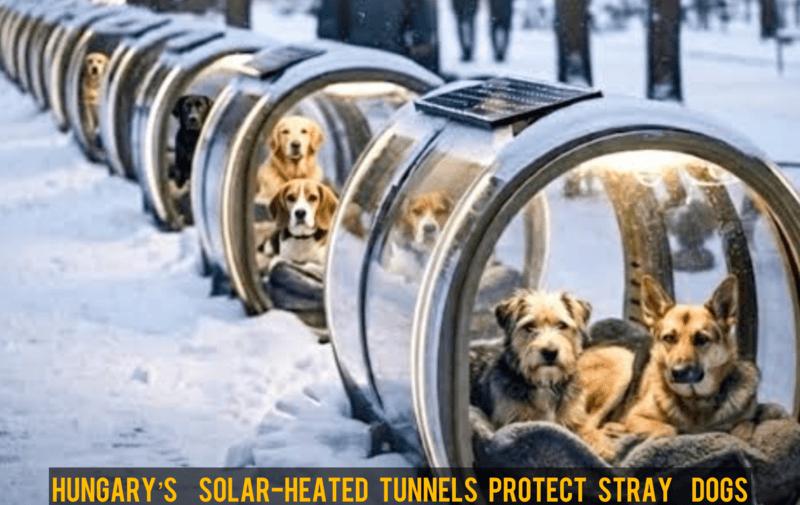
Every winter, cities across Europe brace for freezing temperatures, but for stray and homeless animals, the cold can be deadly. In Hungary, where winter nights often dip well below zero, the struggle for survival becomes especially severe for dogs living on the streets. Responding to this long-standing challenge, the country has begun installing solar-heated tunnel shelters in public spaces, an innovative yet simple solution designed to offer warmth and safety to animals with nowhere else to go. These shelters are not part of a flashy high-tech experiment. Instead, they represent a thoughtful use of natural energy and practical design.How the Solar-Heated Tunnel Shelters WorkThe tunnel shelters are transparent, cylindrical structures placed in areas where stray dogs are commonly found. Made from durable materials, they are designed to absorb heat from sunlight during the day. As the sun warms the shelter’s surface, the structure stores that heat and slowly releases it through the night when temperatures fall sharply. This passive solar heating system means the shelters do not require electricity, wiring, or constant maintenance. The warmth inside provides dogs with a dry and insulated space, protecting them from icy winds, snow, and moisture—factors that often prove fatal during extreme cold spells. The design also allows animals to enter and exit freely, reducing stress and avoiding confinement. For dogs accustomed to surviving outdoors, this sense of choice is crucial. The shelter becomes a refuge rather than a trap, allowing them to rest, conserve energy, and endure nights that might otherwise be impossible to survive.A Lifeline for Stray Dogs in Public SpacesHungary’s streets are home to a significant number of stray and abandoned dogs, many of whom rely on informal feeding by residents and volunteers. During winter, even well-fed animals struggle to maintain body heat, especially older dogs, puppies, and those with injuries or illnesses. Animal welfare volunteers have shared that the tunnel shelters are already making a visible difference. Dogs are using them instinctively, curling up inside as night falls. For many, it is the first time they have access to a warm, dry resting place during winter. These shelters do not replace long-term solutions such as adoption or rescue, but they offer immediate relief at a time when the cold leaves little room for delay.Compassion Meets Practical DesignWhat sets this initiative apart is its balance of empathy and practicality. The shelters are simple, cost-effective, and environmentally friendly. By relying on solar heat rather than electric systems, the solution remains sustainable and scalable, especially in urban areas where resources are limited. Transparency in the structure serves another purpose as well. It allows passersby and volunteers to easily check if a shelter is occupied without disturbing the animal inside. This visibility helps reduce fear or suspicion from the public and encourages acceptance of the shelters as part of the city’s landscape. The idea reflects a broader understanding that animal welfare does not always require complex infrastructure. Sometimes, thoughtful design and the will to act are enough to create meaningful change.Volunteers and Communities at the Heart of the EffortWhile the shelters themselves are important, the human effort behind them is equally significant. Local volunteers and animal welfare groups have played a key role in supporting and spreading awareness about the initiative. Many have taken to social media to share images and stories of dogs using the shelters, highlighting how such a small intervention can have a profound impact. For volunteers who spend winter nights worrying about the animals they care for, these shelters offer reassurance. Knowing that a dog has a warm place to rest can ease the emotional burden carried by those who witness suffering up close. It also strengthens the bond between communities and their street animals, fostering a sense of shared responsibility rather than neglect.Inspiring a Global Conversation on Street Animal CareThe success of Hungary’s heated tunnel shelters has sparked interest beyond its borders. Animal welfare advocates online believe the idea could be adapted in other countries facing harsh winters. Cities with large stray populations often struggle to find affordable, humane ways to protect animals during extreme weather, and this model offers a promising template. Because the shelters are relatively easy to produce and install, they could be implemented by municipalities, NGOs, or even citizen groups. In regions where electricity access is unreliable or expensive, the reliance on solar heat makes the concept particularly appealing. As winter continues to test the limits of survival for animals on the streets, Hungary’s solar-heated tunnel shelters stand as a reminder that humane solutions do not always require grand gestures. Sometimes, protecting life begins with a simple idea, a bit of sunlight, and the determination to care.