India–New Zealand FTA: A Game Changing Deal Set to Power Trade, Talent, and Tomorrow
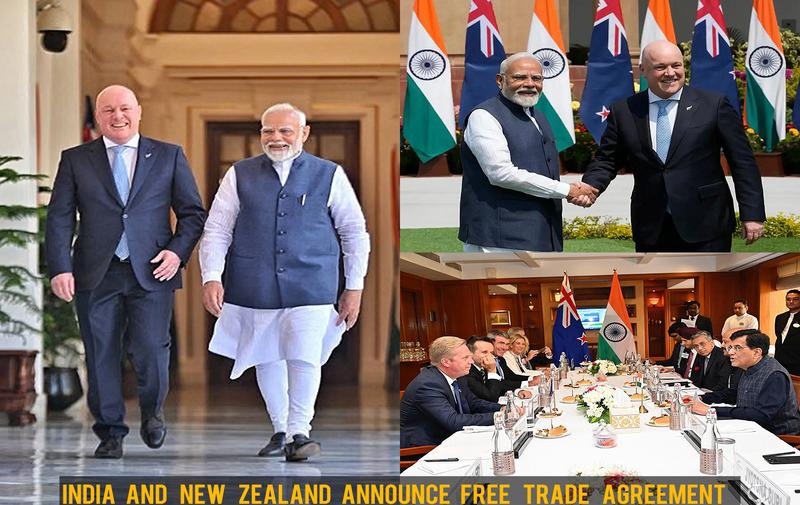
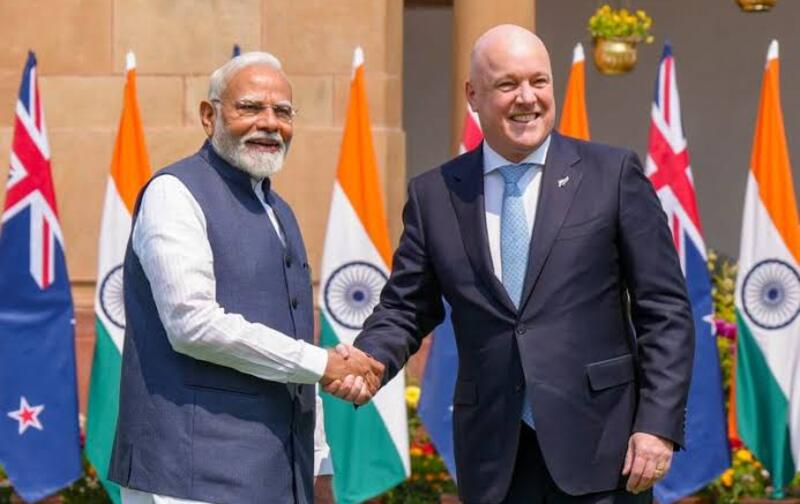
India and New Zealand took a significant step forward in their relationship by signing a landmark Free Trade Agreement (FTA). What may seem like a formal economic decision on paper is, in reality, a powerful bridge connecting businesses, students, professionals, and everyday people across two nations separated by oceans but united by ambition. This agreement is not just about lowering tariffs or boosting trade numbers. It is about creating possibilities: new markets for Indian exporters, new opportunities for young students, and stronger economic ties that promise long-term growth for both countries.Why This Agreement MattersThe India–New Zealand FTA stands out as one of the fastest trade agreements India has ever negotiated. Announced in March 2025 and concluded by December the same year, it reflects a strong sense of urgency and mutual trust between the two nations. At its core, the agreement removes tariffs on 100% of India’s exports to New Zealand. This is a major shift from earlier conditions where Indian products faced tariffs on several items. Now, sectors such as textiles, leather, carpets, ceramics, and automobile components will enjoy duty-free access, making Indian goods more competitive in the New Zealand market. On the other side, India has agreed to reduce or eliminate tariffs on about 95% of imports from New Zealand. This balanced approach ensures that both countries benefit while also protecting sensitive sectors within India.Trade That Tells a StoryTrade between India and New Zealand has already been growing steadily. In the financial year 2024–25, India’s exports to New Zealand rose by over 32%, reaching $711.1 million. Imports from New Zealand grew even faster, increasing by 75.2% to $587.1 million. These numbers are more than statistics; they reflect a growing relationship. Behind every exported textile or imported product lies a chain of human effort: a worker in an Indian factory, a farmer in New Zealand, a business owner trying to expand their reach. The FTA strengthens these connections, making it easier for such stories of growth to continue.Protecting What Matters MostWhile the agreement opens many doors, India has also been careful to protect key sectors that are vital to its economy and farmers. Sensitive products like dairy, certain agricultural goods, sugar, and specific industrial materials have been kept outside the scope of tariff reductions. This decision highlights a thoughtful balance. It shows that while India is ready to embrace global trade, it is equally committed to safeguarding the interests of its farmers and small industries. This balance is crucial in ensuring that growth is inclusive and sustainable. Such long-term commitments go beyond immediate trade benefits. They signal confidence. When one country invests in another, it is essentially saying, “We believe in your future.” For India, this means more jobs, better facilities, and increased opportunities for entrepreneurs and startups.Opening Doors for People, Not Just ProductsPerhaps the most human aspect of this agreement lies in its focus on mobility. The FTA includes provisions that directly impact students and professionals, making it easier for Indians to study and work in New Zealand. For the first time, New Zealand has signed an agreement on student mobility with another country. Indian students will now be allowed to work up to 20 hours per week while studying, along with extended post-study work visas. For many young Indians dreaming of an international education, this is a life-changing opportunity. The Working Holiday Visa programme adds another layer of opportunity, allowing 1,000 young Indians each year to live and work in New Zealand for up to 12 months. For many, this could be their first step toward global exposure and personal growth.A Partnership Built on TrustThe words of India’s Commerce Minister Piyush Goyal capture the essence of this agreement—a partnership built on trust, shared values, and a common vision for sustainable growth. The presence of New Zealand’s Trade Minister Todd McClay in New Delhi during the signing further emphasizes the importance both nations place on this relationship. This is not just a transactional agreement. It is a reflection of how countries can collaborate in a rapidly changing world, supporting each other’s growth while maintaining their unique strengths. In a world where borders often define limits, agreements like this remind us that collaboration can create opportunities beyond imagination. The India–New Zealand FTA is not just about trade—it is about building a future where growth is shared, and possibilities are endless.