A Waste Plant on Wheels? Hyderabad Entrepreneur Builds Mobile Waste-Processing Truck
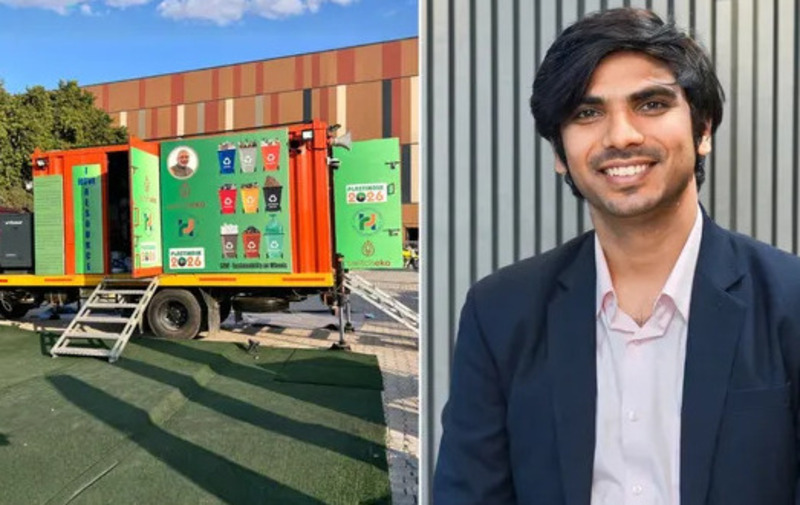
India generates millions of tonnes of plastic waste every year, but a large portion still struggles to find its way into efficient collection, segregation and recycling systems. For Hyderabad entrepreneur Akshay Deshpande, the problem was too important to ignore.After spending years in corporate leadership roles, including at Tata, Deshpande decided to turn his experience into action. In 2022, he launched Switcheko Sustainability, a Hyderabad-based startup focused on making waste management more technology-driven, practical and accessible.But the journey began much earlier.The Turning PointDuring a Tata CSR activity in 2016, Deshpande visited a forest and witnessed something that changed the way he looked at waste. A cow had died after consuming plastic. Around 5 kg of plastic was reportedly found inside its stomach. The incident made the plastic crisis deeply personal.Instead of immediately starting a company, Deshpande spent nearly four years studying the sector. He completed courses related to plastics, polymers and waste management, visited dump yards and interacted with waste collectors.He also conducted more than 780 structured interviews and spoke to thousands of people across the waste ecosystem. His conclusion was clear: India needed more than awareness campaigns. It needed innovation on the ground.Bringing the Waste Plant to the WasteSwitcheko’s flagship innovation is a mobile waste management vehicle designed to collect, segregate and process different types of waste at or close to the source. Built on a 22-foot Tata 1212 truck, the system was developed through a collaboration involving 18 startups, each contributing different technologies and expertise. The vehicle functions like a compact waste-processing facility on wheels.Separate collection systems handle e-waste, glass, paper and sanitary waste. A tank beneath the chassis captures liquid runoff, helping prevent contamination of the ground.According to a report in Startup Pedia, the truck can process up to 2,000 kg of waste every day. Since its launch, it has processed more than one lakh kg of waste, with segregated materials sent to specialised recyclers for further use. The vehicle also features 360-degree IoT-enabled cameras, allowing operations and waste volumes to be monitored remotely.A 2 KVA solar power system supports its operations, while backup generators provide additional power when required. The company is also working towards shifting its vehicles to electric power, which could further reduce their environmental footprint.More Than a TruckFor Deshpande, the idea goes beyond building a vehicle. Switcheko also runs awareness campaigns, clean-up drives, training programmes and waste audits. Its B2B marketplace connects businesses with sustainable raw materials such as recycled fibre, biodegradable plastics and sugar-bagasse products.After leaving a comfortable corporate career, Deshpande chose a sector many people prefer to look away from. His approach is simple: if waste is treated as a resource rather than garbage, the people, businesses and technologies working with it can become part of the solution. And with a processing plant moving from one waste site to another, Switcheko is taking that idea quite literally—putting waste management on wheels.