
A New Way to Cut Carbon Emissions: Denmark Opens Europe’s First Full-Scale CO₂ Storage Facility
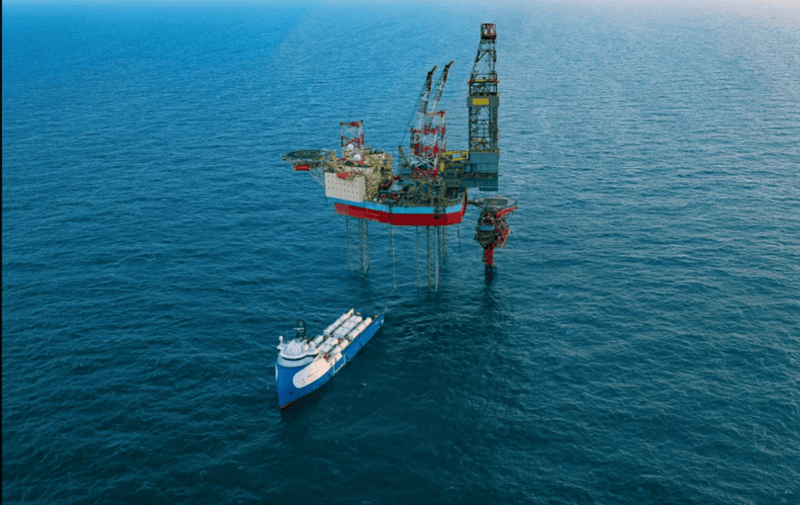
What if the carbon dioxide produced by industries could be captured, transported and locked away deep beneath the ocean floor? Denmark is turning that idea into reality.On September 18, 2026, the Greensand Future project was officially inaugurated in Esbjerg, launching what its partners describe as Europe’s first commercial-scale, fully integrated value chain for capturing, transporting and permanently storing CO₂. The project is located in the Danish North Sea and uses a depleted oil field known as the Nini West field as its underground storage site.According to reports, the inauguration was attended by Denmark’s King Frederik X, European Commissioner for Energy and Housing Dan Jørgensen, Danish Finance Minister Peter Hummelgaard, CINEA Director Paloma Aba Garrote and INEOS founder Sir Jim Ratcliffe.From Factory Emissions to the SeabedGreensand Future connects several stages of the carbon storage process into one system. CO₂ captured from Danish and other European biogas facilities is first liquefied and transported to the Port of Esbjerg. There, it is temporarily stored before a dedicated CO₂ carrier takes it offshore. The liquefied CO₂ is then transported to the Nini West field and injected around 1,800 metres beneath the seabed into a depleted oil reservoir. There, the carbon dioxide is intended to remain permanently stored.The project has received €41 million from the EU Innovation Fund and aims to store around 2.4 million tonnes of CO₂ over eight years.From Pilot to Full ScaleThe project builds on an earlier Greensand pilot that demonstrated in 2023 that CO₂ could be transported across national borders and safely injected into an offshore geological storage site. Greensand Future takes that experiment a step further by connecting capture, transport and permanent storage into a functioning, large-scale system.That integration is important because capturing CO₂ is only one part of the challenge. Europe also needs infrastructure capable of moving captured carbon to suitable storage locations and keeping it there safely.Building a European CO₂ NetworkGreensand Future has required new infrastructure both onshore and offshore, including CO₂ handling facilities at Esbjerg and a dedicated transport solution. Its partners also envision expanding storage volumes as more captured CO₂ becomes available.The project could therefore serve as a model for connecting industries across Europe with offshore geological storage sites. For sectors where eliminating every last tonne of CO₂ remains difficult, technologies such as carbon capture and storage could become one part of broader emissions-reduction efforts.