"Dream, Dream, Dream! Conduct these dreams into thoughts, and then transform them into action."
- Dr. A. P. J. Abdul Kalam
"Dream, Dream, Dream! Conduct these dreams into thoughts, and then transform them into action."
- Dr. A. P. J. Abdul Kalam
10 Aug 2026
Ladakh is preparing to offer wildlife lovers an experience unlike any other in India.
The Union Territory is set to introduce the country’s first High-Altitude Wildlife Safari, allowing visitors to explore some of its spectacular mountain habitats through guided Jeep safaris.
Approved by Lieutenant Governor Vinai Kumar Saxena, the initiative will cover popular wildlife and birdwatching routes across Hemis National Park, Changthang and Karakoram wildlife sanctuaries, as well as landscapes including Nubra, Sham, Zanskar, Kargil and Drass.
The aim is simple: let visitors experience Ladakh’s incredible wildlife without putting its fragile ecosystems at risk.
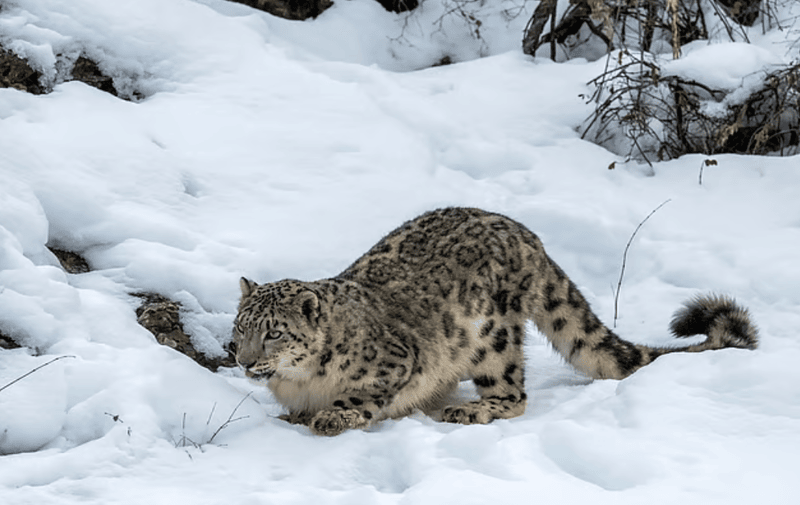
For wildlife enthusiasts, the biggest attraction will undoubtedly be the snow leopard. Ladakh is India's most important region for spotting this elusive mountain predator and is estimated to be home to 477 snow leopards, out of an estimated national population of around 718.
But the safari will offer much more than a chance to spot the “ghost of the mountains”. Ladakh is home to more than 38 mammal species and around 340 bird species, making its high-altitude landscape a remarkable destination for wildlife and bird lovers.
According to a report in NDTV Travel, twenty local youngsters will also receive specialised training in bird identification, birdwatching and spotting skills.
The new safari model is aimed at tackling a growing challenge—illegal off-roading and unregulated tourist movement in sensitive wildlife habitats.
Instead of visitors driving wherever they choose, trained local drivers and guides will operate specially designed open-back Jeep safari vehicles. The guided format will help tourists understand Ladakh’s wildlife while reducing unnecessary disturbance to animals and delicate mountain landscapes. The Forest Department will identify suitable routes and prepare them before the upcoming snow leopard sighting season.
The initiative is being implemented through the Snow Leopard & High-Altitude Nature (SHAN) Conservation Society, which seeks to make local communities equal partners in conservation. The plan includes training local youth, supporting women artisans and creating new opportunities linked to responsible tourism.
Among the initiatives are 300 colour-coded waste bins across 40 villages, wildlife clubs in 50 government schools, annual wildlife photography fellowships for 10 local youths and wildlife souvenir shops. Interpretative signages will be installed in protected areas to discourage littering, illegal off-roading and disturbance of wildlife.
The larger vision is clear: protect Ladakh by making the people who call it home partners in its conservation.
With snow-capped mountains, elusive predators and vast untouched landscapes, Ladakh’s new safari could open an exciting chapter in Indian wildlife tourism—one where adventure and conservation travel together.
.jpeg)
I have a Masters in Literature and a knack for spotting the silver lining! When I’m not chasing good news, you’ll find me nurturing my farm or lost in a good book.