"Dream, Dream, Dream! Conduct these dreams into thoughts, and then transform them into action."
- Dr. A. P. J. Abdul Kalam
"Dream, Dream, Dream! Conduct these dreams into thoughts, and then transform them into action."
- Dr. A. P. J. Abdul Kalam
15 Apr 2026
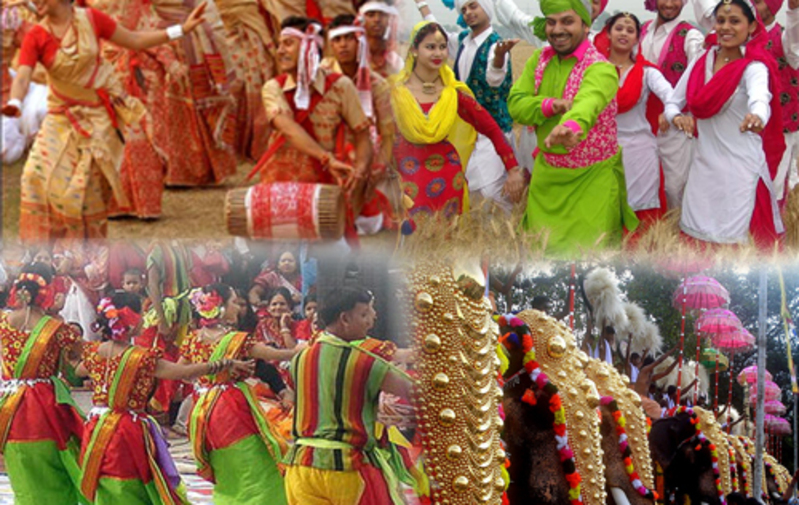
There are moments in a country’s cultural calendar when diversity feels like harmony, when different traditions tell the same story in their own unique ways. Mid-April, around the 14th and 15th, is one such time in India. Across regions, languages, and communities, people welcome a new year not just on calendars but in their hearts. From the golden fields of Punjab to the lush landscapes of Kerala, from the rhythmic beats of Assam to the vibrant streets of Bengal, India celebrates new beginnings with colour, devotion, and joy. These festivals are not just about dates—they are about emotions, traditions, and a deep connection with nature.
Unlike the widely celebrated January 1st, these regional New Years are deeply connected to the solar cycle and agricultural rhythms. They mark the harvest season, especially the rabi crops, and symbolize gratitude for nature’s abundance. It is a time when farmers look at their fields with pride, families come together with hope, and communities celebrate the promise of a fresh start. The idea is simple yet profound—leave behind the old, welcome the new, and begin again with positivity.
In Punjab and Haryana, Baisakhi arrives with unmatched energy. Fields sway with ripe crops, and hearts fill with gratitude. The festival is not only about harvest but also holds deep religious significance, commemorating the formation of the Khalsa Panth in 1699. Gurudwaras echo with prayers, and Nagar Kirtans bring communities together in devotion. Outside, the celebrations burst into life with Bhangra and Giddha dances, where every step reflects joy and pride. Families gather to share traditional meals, turning the day into a celebration of both faith and togetherness.
In West Bengal and nearby regions, Pohela Boishakh paints the streets with vibrant traditions. It is a day that celebrates identity as much as renewal. People dress in traditional red and white attire, symbolizing purity and prosperity. The highlight is the Mangal Shobhajatra, a colourful procession that brings art, music, and community spirit to life. Homes are cleaned, new clothes are worn, and sweets are exchanged as symbols of happiness. For businesses, the ritual of Haal Khata marks a fresh financial start, blending tradition with everyday life.
In Assam, Bohag Bihu or Rongali Bihu celebrates the arrival of spring and the Assamese New Year. It is a festival that feels alive with rhythm and movement. For several days, the air fills with music and dance. The Bihu dance, energetic and expressive, reflects the joy of youth and the beauty of nature. People exchange gamusas as tokens of respect and love, and traditional delicacies like pitha bring families together. It is not just a celebration; it is a feeling of renewal, where nature and people move in harmony.
In Kerala, Vishu begins with a moment of quiet reflection. The first sight of the day, known as Vishukkani, is carefully arranged the night before. It includes fruits, flowers, rice, and gold symbols of abundance and prosperity. Families wake up to this sacred arrangement, believing it sets the tone for the year ahead. Elders give Vishukkaineettam, small gifts of money, to younger members, creating a sense of blessing and continuity. The day unfolds with temple visits and a grand feast called Sadhya, where food becomes a celebration of life itself.
In Tamil Nadu, Puthandu marks the beginning of the Tamil calendar. Homes are decorated with intricate kolams, and families prepare a special dish called Mangai-pachadi. This dish, made with raw mango, jaggery, and neem flowers, carries a deeper meaning. It represents the different flavours of life: sweet, sour, bitter, and more. It is a reminder that life is a mix of experiences, and each one has its place. The day is spent visiting temples, wearing new clothes, and sharing moments of joy and reflection.
In Odisha, Maha Bishuba Sankranti is celebrated with simplicity and warmth. A special drink called Pana, made with fruits, jaggery, and milk, becomes the heart of the celebration. It is shared with friends and family, symbolizing kindness and togetherness. The festival reminds us that even the simplest traditions can carry the deepest meanings. As India celebrates these diverse New Years, it tells a powerful story a story of unity in diversity, of traditions that evolve yet remain rooted, and of a collective belief in new beginnings.
Whether it is through dance, prayer, food, or quiet reflection, the message remains the same. Every ending is a chance to begin again. And in that shared belief, India finds its true strength—not in being the same, but in celebrating differences together.
Writing about what truly matters, good news and stories to remind the world - it is brighter than we think.