"Dream, Dream, Dream! Conduct these dreams into thoughts, and then transform them into action."
- Dr. A. P. J. Abdul Kalam
"Dream, Dream, Dream! Conduct these dreams into thoughts, and then transform them into action."
- Dr. A. P. J. Abdul Kalam
19 Jan 2026
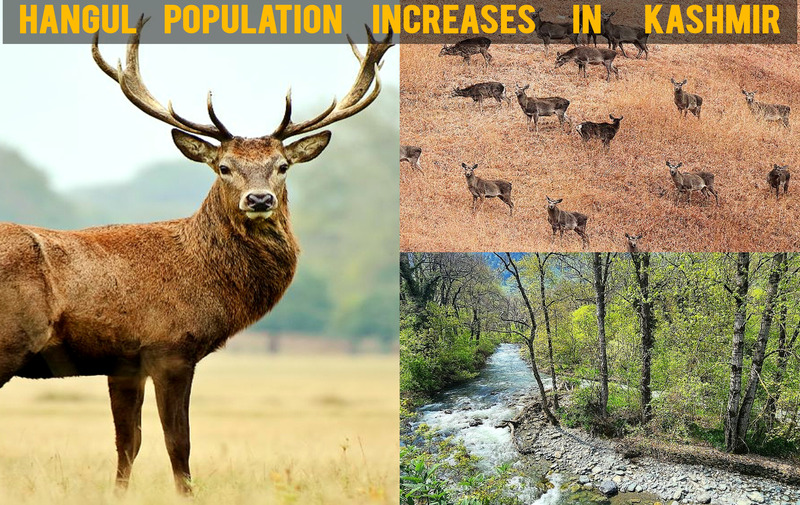
Once upon a time, the forests of Kashmir echoed with the quiet grace of the Hangul, the Kashmir stag. With its deep reddish coat and proud antlers, this deer was a symbol of the valley’s wild soul. A century ago, Hanguls roamed freely across the northwestern Himalayas, from Jammu & Kashmir to parts of Himachal Pradesh. But as human pressures grew, including habitat loss, poaching, and years of instability, the forests began to fall silent.
By the early 1990s, the Hangul population had fallen to alarming levels. At one point, their numbers dropped to nearly 127 individuals, pushing the species to the edge of extinction. Sightings became rare, and fear grew that future generations would know the Hangul only through photographs and folklore. Dachigam National Park remained its last true refuge, a fragile sanctuary guarding a species on the brink.
Hope returned quietly, much like the Hangul itself. Conservation efforts began showing results in small but meaningful ways. Year after year, careful monitoring revealed a gradual increase in numbers. From just over 200 individuals less than a decade ago, the population continued to grow steadily. Each census brought cautious optimism, proving that the species had not given up.
In 2025, that optimism turned into celebration. The latest population count confirmed that the Hangul population in Jammu & Kashmir has risen to 323, the highest recorded in decades. It was not just a statistical milestone but a powerful reminder of resilience. Each new fawn surviving its first winter and each stag reclaiming forest space told a story of recovery shaped by patience and protection.
People Who Chose Protection Over Silence
Behind this revival stands a network of dedication. Forest officials, wildlife scientists, local communities, and conservation workers became the Hangul’s quiet protectors. Anti-poaching patrols strengthened security across protected areas. Breeding and monitoring programs ensured healthier populations and better survival rates. Local villagers, once distant observers, became active partners, reporting sightings, protecting habitats, and embracing coexistence.
Dachigam National Park transformed into more than a sanctuary as it became a living classroom for conservation success. Researchers tracked movements, studied behaviour, and ensured that the fragile balance of the ecosystem remained intact. This collective effort proved something powerful, when humans step back from exploitation and step into responsibility, nature responds with renewal.
The rise of the Hangul from near extinction to 323 strong is not just wildlife news; it is a rare, uplifting reminder that positive change is possible. In a time when biodiversity loss dominates headlines, this recovery shines like a sunrise over the Himalayas. The Hangul’s presence strengthens forest ecosystems, supports biodiversity, and restores balance to the landscapes it once ruled.
Today, spotting a Hangul grazing in Dachigam is no longer a miracle, it is a sign of success. The Kashmir stag stands tall once again, not just as a survivor, but as a symbol of hope. It comes with a reminder that we should not stop until 323 becomes a hundred, a thousand and eventually grows in number deservingly so.

Writing about what truly matters, good news and stories to remind the world - it is brighter than we think.