"Dream, Dream, Dream! Conduct these dreams into thoughts, and then transform them into action."
- Dr. A. P. J. Abdul Kalam
"Dream, Dream, Dream! Conduct these dreams into thoughts, and then transform them into action."
- Dr. A. P. J. Abdul Kalam
23 Apr 2026
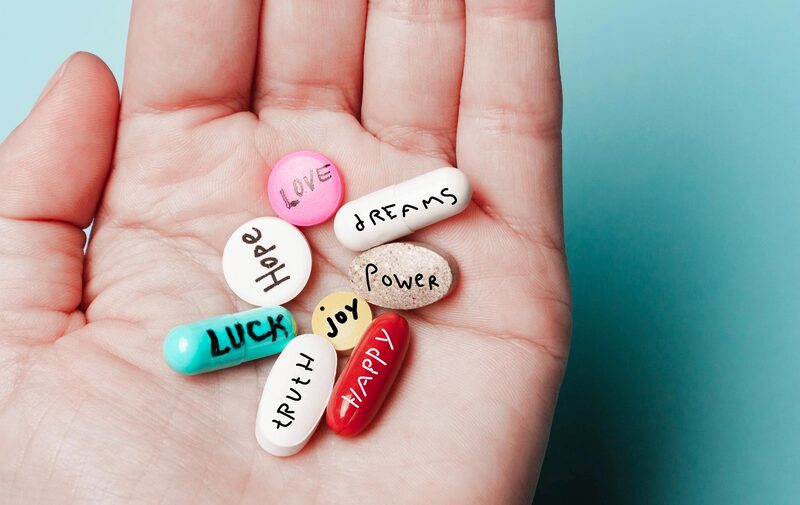
Imagine taking a pill that contains no active medicine no chemical designed to cure, no ingredient meant to treat illness yet somehow, you begin to feel better. Pain eases, symptoms improve, and hope returns. This is not magic, nor is it deception in the usual sense. It is a fascinating phenomenon known as the Placebo effect, and it has puzzled and inspired scientists for decades. At its heart, the placebo effect is a powerful reminder that healing does not always come only from drugs or surgeries. Sometimes, it begins in the mind.
The placebo effect occurs when a person experiences real improvement in their condition after receiving a treatment that has no therapeutic value. This could be a sugar pill, a saline injection, or even a fake procedure. What matters is not the treatment itself, but the person’s belief in it. This belief triggers a series of responses in the brain and body. When someone expects to feel better, the brain can release chemicals that reduce pain, improve mood, and even influence physical processes. In simple terms, the mind begins to act as its own medicine.
Modern research has shown that the placebo effect is not just “in the head” in a dismissive sense; it is deeply rooted in biology. When a person believes they are receiving treatment, the brain activates pathways linked to reward, pain relief, and emotional regulation. One key player in this process is the release of endorphins, the body’s natural painkillers. These chemicals can reduce discomfort in a way similar to actual medication. Other neurotransmitters, such as dopamine, also play a role by enhancing feelings of well-being and motivation. Brain imaging studies have revealed that areas responsible for pain perception and emotional control become active during placebo responses. This shows that belief can directly influence how the brain processes signals from the body.
Expectation is the driving force behind the placebo effect. When a doctor confidently prescribes a treatment, or when a patient has had positive experiences with similar treatments in the past, the mind begins to anticipate improvement. This anticipation creates a feedback loop. As the brain prepares for healing, the body responds accordingly. Even small changes in symptoms reinforce the belief that the treatment is working, strengthening the overall effect. Interestingly, the environment also plays a role. A hospital setting, a trusted doctor, or even the appearance of a pill can influence how strongly the placebo effect works. The context shapes the mind’s expectations, and those expectations shape the body’s response.
The placebo effect is not limited to controlled experiments; it appears in everyday life. People often report feeling better after taking over-the-counter remedies, even when the actual benefit may be minimal. Similarly, therapies that focus on care, attention, and reassurance can produce meaningful improvements. In clinical trials, the placebo effect is so powerful that it must be carefully accounted for when testing new drugs. Researchers compare real treatments against placebos to determine whether the actual medicine provides benefits beyond what belief alone can achieve. This highlights an important truth: the mind’s influence on health is not just theoretical; it has measurable, real-world consequences.
While the placebo effect is powerful, it is not a cure-all. It cannot replace essential medical treatments for serious conditions. Relying solely on placebos in such cases can delay necessary care and lead to harmful outcomes. This raises ethical questions in medicine. Is it right to give a patient a treatment that has no active ingredient, even if it might help? Modern healthcare tends to emphasise transparency, encouraging approaches that harness the benefits of the placebo effect without deception, such as positive communication and supportive care.
The placebo effect ultimately shines a light on one of the most intriguing aspects of human health: the connection between mind and body. It challenges the idea that treatment must always come from external sources and highlights the role of internal processes in healing. This does not diminish the importance of medical science. Instead, it complements it, showing that the best outcomes often come from a combination of effective treatments and a positive mental state.
In a world driven by advanced technology and complex medicine, the placebo effect stands as a quiet yet powerful force. It reminds us that belief, expectation, and human connection can influence health in profound ways. While it may not replace traditional treatments, it adds another dimension to our understanding of healing. It shows that sometimes, the most powerful medicine is not found in a bottle but within the mind itself. And in that realization lie both wonder and possibility: the idea that our thoughts, our hopes, and our recovery can help shape the path to better health.

Romanticizing life and shaping stories from everything I see through my journalistic lens. Also, I love sports on the side.